EP350 - Broken Pixels, Calm Leaders, and the PPC Comeback ft Amanda Farley




In this episode of PPC Live, Amanda Friedt (Farley), CMO of Aimclear, shares her journey in marketing, discussing the importance of integrated marketing, lessons learned from mistakes, and the evolving landscape of PPC. She emphasizes the significance of collaboration, data hygiene, and adapting to AI advancements while providing insights on leadership and handling mistakes in a team environment. Amanda encourages marketers to embrace testing and innovation as they navigate the challenges of 2026 and beyond.
Takeaways
Amanda emphasizes the importance of integrated marketing.
She shares her journey of overcoming imposter syndrome.
Mistakes are opportunities for learning and growth.
Collaboration is key in navigating PPC challenges.
Data hygiene is crucial for effective marketing campaigns.
AI is changing consumer behavior and marketing strategies.
Leaders should create a safe space for discussing mistakes.
Testing and innovation are essential for success in marketing.
Understanding the consumer journey is vital for PPC success.
Community support can significantly impact marketing efforts.
Chapters
00:00 Introduction and Background
04:12 Lessons Learned from Mistakes
07:10 Navigating Challenges in PPC Marketing
10:09 The Importance of Data and Collaboration
13:24 Adapting to AI and Changing Consumer Behavior
16:04 Leadership and Handling Mistakes
19:11 Advice for 2026 and Future Trends
22:10 Final Thoughts and Fun Question
38:00 Outro.mp3
Anu Adegbola (00:10)
Hello and welcome to PPC Live the podcast. I'm your host Anu, the founder of PPC Live. And if you're used to hearing from PPC experts about how to ensure that we're keeping up with the ever-changing landscape, don't worry, you're still in the right place. And every week I speak to a different PPC expert about their biggest F-up or just a big mistake that they've learned from and how they turn things around, how it did not stop their career in any way.
We share the positives and the negatives and just really the big lessons to ensure that you do not make the mistakes as well. Today I have the delight of speaking with Amanda Farley of Aimclear. She's a CMO there and even though she's a CMO, paid search Google Ads is her first love. So she knows about the issues that we PPC marketers definitely face. Even though she mostly like, you know, leads the marketing team now, has led
them successfully through winning several awards as you'll hear about. And she speaks about, an issue that really, affected her whole department and just how with, you know, a steady head and a calm mind, she was able to steer her team into the right direction. So yeah, let's go speak to Amanda.
Anu Adegbola (01:18)
Amanda, welcome to PPC Live, the podcast.
Amanda Friedt (Farley) (01:21)
Hi, thanks for having me. Super excited. ⁓ Good way to kick off the new year.
Anu Adegbola (01:26)
Right? Yeah, exactly. Like I felt so lucky and privileged and sometimes as most of the most successful things in our lives, every once in a while, they're just winging things. Like at beginning of this year, two weeks ago, even one week ago, I didn't know I would be interviewing you. You know, and I just, I just like, I just love that industry is just so full of like great names and we had meetings and different things. had a, we were having a chat of the, for the programming call for
SMX that's going to be happening. And then yeah, when I saw your thumbnail going on, I was like, we need to have, we need to have Amanda on the podcast. That's how, that's how it came to my mind.
Amanda Friedt (Farley) (01:55)
Okay.
⁓ Yeah, that
was so fun. That's, I love getting to hang out with all of you guys. It's amazing. And I saw the article that came out this morning and I was like, ⁓ it's like speaking to my heart today talking about the integrated stuff, which was a lot of what we talked about on the call. So that was cool.
Anu Adegbola (02:09)
Yeah.
Mm.
Yes,
yes, exactly. We're always trying to think about that integrated way of doing things. And yeah, before I go too much further and people are like, Anu, introduce us. So, Amanda Farley is a multi-award winning marketing leader and CMO at Aimclear, a Midwest based agency renowned for its US search awards wins.
She specializes in integrated marketing, but I love the way she was saying like, or just before we press record that she's a T-shaped marketer. So that means she loves the integrated approach, has experience with like social programmatic PR, but her deep down is Google ads, PPC, which is why she's a perfect fit for our podcast today. She's got a proven track record of driving results for B2B and B2C brands.
scaling businesses, e-commerce ventures, nonprofits, and multi-location providers. Under her leadership, Inclair has earned numerous global and US awards, including integrated campaign of the year, best PPC campaign, best use of data, and et cetera. And she's a sought after speaker across national.
national and international conferences like SMX London. I love that we met in person for that one as well as SMX Advanced in the US as well as Popcorn, Engage Marketing Conference, etc. And outside of work, Amanda enjoys time with her children, painting, sailing, yoga and supporting Detroit K-12 schools and local nonprofits.
⁓ In terms of like interesting fun facts, you know, this is one of my favorite parts of conversation. ⁓ Yeah, Amanda was saying about how for like five years with imposter syndrome looming from the sounds of it, you owned a gallery, not realizing that you're an artist yourself, a gallery and a tattoo parlor. So tell us a little bit about that. How was it that you were surrounded by such amazing talent, but didn't realize that it was all within you as well?
Amanda Friedt (Farley) (04:13)
⁓ yeah, it was like, it was such a lesson on limiting beliefs, right? Like, I only wasn't an artist because I thought I wasn't. and like many artists, you know, when you're going through tough times, like, it's an outlet. And it was just like a really good way for me to be able to connect and move through it. And ⁓ it's something I do with my kids a lot now, too. But I've done like, probably 400 paintings since then. But I did, I had that definitely that chuckle of like, I have surrounded my entire life.
Anu Adegbola (04:17)
Hmm.
Yeah. Yeah.
Amanda Friedt (Farley) (04:42)
like with creatives, like home, work, like friends everywhere. And I'm like, I only was an artist because I thought I wasn't. So yeah, that's my fun fact.
Anu Adegbola (04:50)
Yeah. Yeah,
I know that's amazing. And you know, look, you're now CMO of AimClear doing amazing work and we never know. Sometimes our biggest, our biggest struggles is our brain. I remember like, I think it's from my brother, heard this quote, but it's like a Muhammad Ali quote that says that the fight is lost or won even before he enters the ring. It's like it's in his head. It's in his mind. Like how much you either believe or you don't believe.
And of course a lot of preparation, but a lot of how much you believe or don't believe can be the thing that makes or breaks you when you're in the thing that you're about to do. yeah, well, let's do this. It's been, you're, you're, I feel like you're such one of those people as well. As you mentioned that, you know, you love tackling issues. So I can't think of someone better to share how you tackled a previous mistake. Cause this is what this podcast is all about sharing our mistakes, but not just stopping at what
the mistake was but how it turned you know how you turned it around you know like you're the CMO of Aimclear obviously it didn't stop your career in any way you made it through and it's really important that everybody hears these kind of stories because you know it can it can make us some of the mistakes of our junior years can make us maybe make us feel like okay that's it we're one and done but it really doesn't have to be like that so yeah i'll hand it over to you now Amanda please share with us
What f-up would you like to share with us today?
Amanda Friedt (Farley) (06:19)
Yeah, so ⁓ I would use the word lessons, right? Like lessons learned. Because I personally like to approach the world in general, that everyone kind of comes in with like the best intentions. They're doing the best they can with, you know, the information they have at the time. ⁓ And it's really like, sometimes we just get in our own silos or whatever. And it's like, we don't maybe have like the full picture or whatever it is. like, ⁓
Anu Adegbola (06:22)
Yeah. Yeah.
Amanda Friedt (Farley) (06:45)
So anyways, I always just like assume best intent for everyone. Because I just feel like that helps me get to solving problems faster too. it's like, okay, like, no malicious intent, like, what's the goal? Where are we going? What's broken? What, you know, what happened? And I think in PPC, like, there's so much of it that is outside of our control, where it's like system side issues, right? It's like things, it's like, okay, this, this just all of sudden got disapproved, or they like shut the ad account off, or just all of the...
Anu Adegbola (07:05)
Mmm.
Amanda Friedt (Farley) (07:15)
3am we start getting a bunch of spam bots in for whatever reason that you know, and then now we have to go through and like We've got a you know client we've got to communicate We've got to like go through support try to get credit back like all those things that happen So a lot of times it's like when those things happen. It's like okay what in our system? That was it that missed it or in our process like how could we have caught this sooner or sooner that had a time? What backup things do we need to put in place and? Because it's changing so fast. It's like
Anu Adegbola (07:18)
Yeah.
Yeah.
Yeah. Yes.
Amanda Friedt (Farley) (07:45)
all the time. ⁓ And I think one of the most just top of mind, ⁓ and again, I can't even say mistake because I think all the intentions were there. And, ⁓ you know, you come together on a new campaign initiative with a new brand. And ⁓ we were working on Go to Market and this was global work. And, you know, you have that conversation as the agency and the brand of like, who's going to do what, right? So like,
Anu Adegbola (07:56)
Hmm.
Amanda Friedt (Farley) (08:13)
we'll handle this, you guys do that. So, you know, and we think we've got it figured out. Well, you know, fast forward, there's always the plan and then what actually happens. And I think that exists in every facet of this industry I've ever experienced. So it's like, you kind of almost have to plan for change anyways. But in this example, it was like, we've got siloed departments, which is not uncommon, where, you know, tracking's handled over here or...
Mar Tech stuff's over here, website's over here, right? There's all these different like pieces. ⁓ And we're getting ready to launch. We're supposed to be making like new models and we're studying the data to be able to do that. And all of a sudden, like every pixel just breaks on like every channel. And our team's like, hello, red flag. And it was like, we're working on it, you know, from the brand side. And like, we're like, okay, ⁓ still broken, like day later, two days, three days, goodbye.
Anu Adegbola (08:55)
Yeah.
Yeah. Yeah!
When was it supposed to go live? When was the campaign supposed to go live? Oh. Oh.
Amanda Friedt (Farley) (09:12)
they were already running. Everything that's running. Everything.
So like the PBC marketer in me is like, I'm, you know, because I'm the one who's got to like even as like CMO, like when I come in on any brand work at all, it's like, what's the return? Right. And I'm just like, we're burning money out of a window. Like as a collective group, not like, because when I work with a brand, like I look at us as a collective team, right? Like we all have the same goal. So like, I'm just like, my gosh. And
Anu Adegbola (09:28)
Yeah. Yeah.
nice.
Amanda Friedt (Farley) (09:40)
So yeah, week goes by and I'm like, okay. I'm like, who is they? Who do they report to? Do I need to call somebody? We are seven days in. This is every channel, every channel. And so my poor ad ops team, were just like, like I'm driving blind. I have no idea. We're driving blind. It was just like, my gosh. And then come to find out it was like a third party vendor that was handled by, you know, again, six, whatever silos over.
Anu Adegbola (09:50)
Yeah. Wow.
Yeah, we have no idea what's coming through. Yep. Yep.
Yeah.
Amanda Friedt (Farley) (10:10)
Um, so we ended up just saying, can't, we can't wait. We can't wait. just got it. So, so we were able to jump in and work with their, their team and like actually help like fix and install everything. And then like, in that process, we uncovered a bunch of other things. So it's like, and, um, in PPC right now, you know, that's been the, and it's so funny because it's like, it's not new, but like the weight it carries in the results has just increased in weight of that, like data foundation and that architecture of like,
Anu Adegbola (10:14)
Yeah.
Okay. Okay.
Yeah. Yeah.
Amanda Friedt (Farley) (10:40)
how everything is talking to each other and learning because these machines need that clean data to be able to operate and be efficient. ⁓ And it was way more messy than we thought it was gonna be. So it was wild. So yeah, we had like global that was like not happy about timeline being off, right? Cause they're like, we're supposed to be working on this. And we're like, love y'all. We can't worry about that right now. We're like dealing with this huge thing over here, right?
Anu Adegbola (10:48)
Mm.
Yeah
Amanda Friedt (Farley) (11:07)
So it's like now it's like, okay, we have to have these conversations. I ended up like flying to New York for this one too. Like where it was like to like me with the client. Cause it was like, okay. Cause now it wasn't just about this piece over here. There were other elements that we were working on as well that everything was held up because of what was happening over here. ⁓ And it was wild even in the unpacking because what they thought the project was going to be versus what it actually ended up being were just so vastly different.
Anu Adegbola (11:12)
wow.
Mm-hmm. Yes.
Okay.
Amanda Friedt (Farley) (11:35)
⁓
So I'm just pulling in resources like okay, I need this like you're the best at this. Can you help me with this piece? Right? We're just like but we're just working together to work it through and it always reminds reminds me of that like And I always forget like the technical name of the framework or whatever, but it's like the building Forming storming performing. It's like the like the steps of like building the team Okay, but this was like this is the store
Anu Adegbola (11:37)
Yeah.
Yes.
Okay? Yeah, I don't know. Yeah,
Amanda Friedt (Farley) (12:01)
It was just like
Anu Adegbola (12:01)
yeah, yeah.
Amanda Friedt (Farley) (12:02)
and ⁓ so it was just it was wild but we pulled it together I mean we hit new product launch timelines like there were times where like some of their teams like get on flights and I'm making the call and I'm just like Okay, like we need to just make the call and do this if we're gonna hit touch. Okay, go go go go So like it was those human conversations that really helped you like I think that's like an important piece like yes It's technical work, but we are still managing with humans and we hit timeline and we
Anu Adegbola (12:09)
Yes.
Yeah. Yeah.
Nice.
Yes.
Amanda Friedt (Farley) (12:31)
freaking exceeded our goals by like a lot, like a lot, lot. ⁓ So it was, mean, in the end, it's really the case study of like, when, you know, unexpectedly things go wrong for whatever. And there's so many people involved, right? Like, so it's like, it's hard to say like, ⁓ you know, blame one person or say this was, you know, some one person's mistake. It's like, no, like as a collective group, we missed even in that like,
Anu Adegbola (12:34)
Amazing. Okay.
Yeah.
Yeah.
Amanda Friedt (Farley) (13:00)
Where do we miss? So now think about like, what do do next? Like, okay, what do we miss in the onboarding process? What are those things that we need to put in place to make sure that we get validation earlier on so that we can see this coming a little further out and say, hey, know, stop gap, just to help everyone. Cause at the end of the day, like, you know, with anything I've ever done in marketing, honestly, it's like we come in to help achieve a goal. Like I would never want to work and say, oh yeah, we're gonna able to achieve it and like not be able to do that. Like we like.
It's in everyone's best interest to achieve the goal we set out to do. ⁓ But even on the PPC side of like, ⁓ I helped ⁓ write up new operating parameters, like learning periods, Like, hey, just because, like, how long should you wait before you analyze results? What do we need to make sure, you know, like all of these little things that now with the way machine learning works and AI and all those things, like to make sure that like there's just,
Anu Adegbola (13:36)
Mm.
Yes.
Amanda Friedt (Farley) (13:57)
clarity in the expectations like that ⁓ there's pieces of this like ⁓ That are we're gonna operate to best practices. We're gonna do all these things, right? And we're gonna like work together But at end of the day like I was talking to my senior ad ops team members this morning and she's like they Implemented new account settings like this was like I don't know like within the last like seven days or whatever But there was like new things that were automatically opted in that and so
Anu Adegbola (14:24)
Mmm.
Amanda Friedt (Farley) (14:26)
And her and I go way back, like, and she actually used to work on the channel side. So like, she knows some of this stuff, right? So it's like, we know to double check, like, account setting stuff all the time, but it's like, come to find out, like, oh, this new one just rolled out, and that's on a bunch of stuff. so we have to always be cross-checking and validating and quality controls. And so, even when people are asking the human side of it, it's also us against the machines in a lot of ways.
Anu Adegbola (14:35)
Yes.
Yeah,
it can be. It really can be.
Amanda Friedt (Farley) (14:55)
Yeah,
and I think that's why as PPC marketers we've always been so collaborative as a group, you know, it's like Because there's like this Like Google doesn't really tell us I mean they kind of do but it's pretty biased
Anu Adegbola (15:00)
Yeah, it can be.
No, although they kind of do the SEO
SEO folks are always fighting because I've got loads of like fun SEO friends and they were like, I know at least paid folks, they do, you know, you guys, get told like, you know, what gets disapproved, you get given the guidelines for ad copies and policies. We don't get any policies. They just go do it. And then, you know, we don't see the traffic and we're like, we wonder why. And it's just because of a whole bunch of things. ⁓ and yeah, so yeah, I do understand. do.
agree with you that we've become a lot more collaborative, but it's, think it's more recent. It's not always been that way. I don't know. I don't know where, what, how you see it on that side of the pond because
Amanda Friedt (Farley) (15:47)
But I think it
goes back to like I think about like old school PBC chat like I was on PBC chat like back when it was just you know Twitter you know and like Twitter, Twitter saved my butt so many times like and then like conferences like I'm like how'd you figure that out and they'd be like follow the instructions backward and I'm like that's real life story by the way. ⁓
Anu Adegbola (15:54)
Yeah. Yeah. Yeah. Twitter and Julie Bettini. Julie's still doing it. Yeah. Yeah. Yeah. Yeah. Yeah. Yes.
Prima. But like
talking about like going, cause, cause, I think our PPC folks, what they've been used to hearing is like hearing a lot of like landing page, Google ads, you know, technical issues that have gone wrong of like landing page is not put up right or the wrong max CPC being put in the wrong bit strategy. What, when, cause I know you don't, you know, you're not in Google ads accounts on a daily basis. ⁓ you know, at your level.
But like what used to trip you up because that's a very fair point is like PPC chat really helped us. What used to trip you up a lot? When would you say one or two, one thing that you remember? Yeah.
Amanda Friedt (Farley) (16:44)
So actually
I do roll my sleeves up still because that's how fast these channels change. like when there's new things like, you know, whether we're onboarding and auditing and like, and obviously I always bring in like, you know, my senior ad ops too, but like, in this industry, as long as I've ever been in it, like any title or leadership has actually never saved me from having to go into channel and like do things like ever. And, you know, obviously I work with my team that's in the like day-to-day management, like
Anu Adegbola (16:50)
Yeah.
Wow, okay.
Yeah.
Amanda Friedt (Farley) (17:14)
What are you guys seeing in those critical thinking conversations and strategic conversations? ⁓ you'd be surprised how much I roll up my sleeves. I really do, which is wild. But I just believe that's what it takes. It's kind of like that, ⁓ it's the more that servant leadership philosophy is like, somebody's just got to jump in the trenches. When we dig it out together, we'll figure it out. ⁓
Anu Adegbola (17:31)
Yes. But
what's one thing about Google ads that annoys you in terms of how to get things done? What's one thing that is easy to get wrong?
Amanda Friedt (Farley) (17:44)
⁓ I would say like what I see the most on account, so there's like, I would put this in two buckets. So most common, like we onboard, I always do an initial audit pass. ⁓ And what I see is basic settings, basic settings, like things that are just like, why are we targeting the whole world? know, like just things that just don't make sense, like don't make sense, like in the settings, in the very foundational setup.
Anu Adegbola (18:00)
Yeah.
Yes. Yes.
Amanda Friedt (Farley) (18:12)
And then second to that is how the data is actually integrated. like how what audiences are pulling in what you know conversion are we using enhanced conversions, right? Are we okay if these First party audiences are where did these come from? Who owns that like so many times I see where ⁓ You know brand side and again all good intentions like That's the email team that handles this thing and they sent us this list to import or whatever But it's like when was this last update?
Anu Adegbola (18:37)
Yeah.
Yeah. Yeah.
Amanda Friedt (Farley) (18:42)
What does the learning feedback look like?
And it's like, your CDP lives over here. And that's like, it's wild, like how much I find just in that area of it, ⁓ where just better hygiene makes a ton of difference. that's before you even get to like, okay, how do we actually want to like go after market? And then there's like, know, segmentation versus control, which we could have a whole conversations around that. But like, hygiene layer I see is like,
Anu Adegbola (19:06)
Yeah. Yeah.
Amanda Friedt (Farley) (19:10)
It's just such a critical piece. if you do that part to best standards, you're going to see much better results. Like, that's not even talking about the landing pages and the website experience, which I know is a whole other piece, which is how I became an integrated marketer to begin with. Right. Because, ⁓ I do think my psychology background also like lended into why, like, cause intent, right? Like I love studying intent.
Anu Adegbola (19:16)
Well, yeah.
Yeah. Yep.
Hmm.
Yes, yes, absolutely.
Amanda Friedt (Farley) (19:37)
And I actually came in as a writer on the SEO side and then I got into paid so I kind of naturally did this little arc and then I went down into paid but you start to see like You know, we're driving on the traffic, but nobody's converting and it's like all the websites bad then you're like, ⁓ these leads are junk Okay, well, where are these going who answers the phone? You know, it's just all those things and the next thing you know, you're like in this end-to-end conversation right like that's that's why PPC is my deep but I've had to go out because like
Anu Adegbola (19:42)
Huh. Yeah.
Yeah. Yes.
Yeah. Yep.
Amanda Friedt (Farley) (20:06)
We touch everything somewhere in the mix. Like... So, anyways.
Anu Adegbola (20:08)
Yes. Yeah.
But in terms of like, okay, you know, I'm very impressed that you've not even touched yet on the whole, how people now act into whole, you know, AI, every AI update and all the AI kind of stuff. How much of the whole AI conversation is a lot of fluff and, you know, people, are we really, are we focusing on the right things or are we exaggerating how?
hard or easy this thing is to get into.
Amanda Friedt (Farley) (20:40)
Yeah, so I think in some areas, know, some things harder to be honest, because you have more like just the breakthrough, you have to like to break through the noise, right with everything that's happening. One of the things that I've really seen winning right now from a PPC side is I look for intercept opportunities. So I look for how the consumer journey has changed. What channels are they using, right? So they're ping pong. It's like a ping pong ball, like, ah,
Anu Adegbola (20:49)
Yes.
Okay.
Mm-hmm. Yeah.
Yes.
Amanda Friedt (Farley) (21:09)
So it's like, okay, they go from social, go to, you know, maybe they use perplexity, then they use Google. Like they still end up in that ecosystem. So sometimes what you think would normally be your top converting words or whatever, aren't necessarily, like that's not necessarily true anymore because the entire customer journey had changed how they're interacting between the channels. So from a paid perspective, I look through the lowest hanging fruit intercepts that like not everyone's honestly looking for, which is great. So like.
Anu Adegbola (21:28)
Yeah. Yeah.
Amanda Friedt (Farley) (21:38)
That's been really cool. So I would say it's like a PPC marketer. Like I would study how that actual like what part of that process are they doing on what channel? And then like, how do you just intercept along that journey? So if it's like, we're going to run, you know, maybe like, because I would say I get into like social paid as well. But it's like maybe this or social hits, right? Or remarketing or YouTube is something that continues to be a growing piece of the mix. Like and it's always been there. But like
Anu Adegbola (21:47)
Yeah.
Mm.
Yes.
Amanda Friedt (Farley) (22:08)
When I think of like how brands invest, like it was like, it's like a side, it was like more of a side conversation, right? It was like, yeah, we're running some YouTube. It was like that, you know? And now it's like, it's coming to be like way more part of the conversation and getting more investment dollars, which I think is kind of awesome. But that goes into like video content too. Like I think, ⁓ you know, creative assets as much as, you know, they want to automate certain stuff. It's like, yeah, but like have we had a human look at this?
Anu Adegbola (22:15)
yeah. yeah. yeah.
Yes.
Yes.
Amanda Friedt (Farley) (22:39)
Like so for example, I actually told my dad I was gonna bring this up today Because it made me laugh because I was like that's exactly it. That's exactly it. that's exactly it So I was like pulling the sugar out of the cupboard at my house and it's like rock solid and I'm like like isn't there like a trick to like and I was like, Alexa I was like, how do you and she was like put a piece of bread in there was water and my dad goes yeah, but is Alexa ever had
Anu Adegbola (22:44)
Okay.
Reds.
Amanda Friedt (Farley) (23:06)
tasted sugar before? And I was like, you know what? That's it. That's it right there in a nutshell. Like she's got some good tips, but has she ever actually tasted the difference or is that the actual answer? I don't know. Like even with recipes, all those things, right? And so obviously this is just like a real world life kitchen example. But I think when we think about ads and really, which is a communication mechanism with our customers and our audiences. So like has has a human that
Anu Adegbola (23:18)
Yeah.
with a customer, yeah? Yeah?
Amanda Friedt (Farley) (23:36)
Like have they looked at it and experienced it and like how do they feel about it? Like how does the human in that process feel? Because if we're not considering their perspective in it, it's going to be very challenging I think to make that like bridging connection. ⁓ And I don't know if you ever tried the sugar trick, but it did make me laugh. I was like, put bread in there. I was like, I don't know. was like, is that gonna make it taste weird? I don't know. But. ⁓
Anu Adegbola (23:40)
Yes.
Yeah, yeah, yeah,
I've heard of that. I've heard of that trick of like some people like on social media somewhere kind of thing. Yeah.
Amanda Friedt (Farley) (24:07)
Yeah, but it's like when we think about like how the app like that's also why the data I think is so important on the hygiene because so much of performance is like audience signal intent based and if you're porting in Data, that's I don't know six years old or whatever it is like how long it's been in there like Your your ads aren't working also because you're probably not talking to the right people because you don't have the right data signals in place to be able to tell this with so much people you're actually looking for
Anu Adegbola (24:13)
Yes.
Yeah.
Amanda Friedt (Farley) (24:34)
Which goes back to the like, which humans are we even telling them that like this is what we want to, you know, target or whatever.
Anu Adegbola (24:39)
Yeah,
yeah, no, absolutely. And what do you feel like, what's your advice to people for like 2026, ⁓ you know, for what people should be testing out ⁓ this year?
Amanda Friedt (Farley) (24:52)
Um, so I think for 2026, I think that, um, I think this year really is, there's, there's going to be a little old school, this now new school where it's like, you can't be afraid to get out of the box and do something different and try something out and see what works. There's no rule book for where we're at right now. Like, and, um, it just reminds me a lot of the early days of like, there was, there was no
Anu Adegbola (25:07)
Mm. Mm. Mm. Mm.
Amanda Friedt (Farley) (25:19)
there was no training on this stuff, right? Like there really was not. There was like not really even any books written. Like it was like us figuring it out together. So it's like, don't be afraid to test. Don't be afraid to also like phone a friend. Like, hey, I'm running into these things. I'm thinking about like, what are your thoughts? And you would be surprised like how much is like asking and leaning into your community can make such a big difference. And then also sharing, like I also have that like philosophy of like give more than you get and it kind of all comes back.
Anu Adegbola (25:21)
No.
up. Yes.
Yes.
Yeah.
Yes.
Amanda Friedt (Farley) (25:48)
Right like I always do that like for me just the human helping lift up kind of thing And it always does and like there's more That's why I feel like it's been more collaborative and maybe that's just because I like the all the friends I've made like the the friends I've made over the four years, right? But ⁓ yeah, and like I would say, you know if you're looking at in channel obviously like everyone's talking about a I max and like all that stuff
Anu Adegbola (25:54)
Yeah.
Yeah.
Amanda Friedt (Farley) (26:17)
So I'm talking to my team and I'm like, not yet.
Anu Adegbola (26:21)
No?
Why not?
Amanda Friedt (Farley) (26:24)
just that good quality that we've seen yet today.
Anu Adegbola (26:26)
Okay,
so you have tested some of it. So it's not necessarily, but you know, yeah, you've tested some of it and you're like, okay, no, not yet.
Amanda Friedt (Farley) (26:29)
yeah. yeah. Not yet. like, and there's
some places where it's safe, like, you know, it depends if you're internal or agency side. On the agency side, sometimes you have brands where you have more room to play. Play and try stuff out. I think that's like super important. Like, and especially where you're like, hey, I can carve a percent for, cause I always try to get brands to put at least a percent of budget towards like just test, like separate tests anyways.
Anu Adegbola (26:40)
course.
Hmm.
Yeah.
Amanda Friedt (Farley) (26:59)
⁓ And then we kind of bake that into like the overall like data modeling usually that we do but Internally, it's like what do we have to lose like if we like is it really gonna impact things? Is it gonna be so bad that like it's gonna root like there's ways you can test this stuff where it's like Yeah, if we learn something and it says okay, this didn't work or we need to think about this differently ⁓
Anu Adegbola (27:09)
Mmm.
Amanda Friedt (Farley) (27:26)
Okay, then we've got that and like it's back to the drawing board. But like, so what now we know and we're gonna make smarter choices like as we move forward. ⁓ But yeah, that would be my 2026. Like, lean in, lean into your team's communities and like, don't be afraid to test and some stuff's just not gonna work out the gate. it's just like, it's okay. Like,
Anu Adegbola (27:42)
Yeah.
I gonna, and I think I'm pretty sure I mentioned that, I'd love to also just talk a little bit about, the theme of this podcast. It's talking about mistakes and talking about how things can go wrong and mentally preparing yourself for it. And in my personal opinion, it starts with leadership. It starts with, how frazzled a leader gets when a mistake happens. I just love to ask ⁓ what's your advice for managers in terms of
how they approach mistakes and talking about mistakes with the people who report into them so that people are not scared to test. You've just advised that we should test, but if you're scared of making mistakes, you might not do any testing. So what's important that leaders should, ⁓ what are the conversations? Why these kinds of conversations? Why is listening to this podcast important so that people know that, okay, mistakes can happen, but it doesn't mean the end of the world. Why is this kind of thing is important?
Amanda Friedt (Farley) (28:40)
Yeah, so I think a lot of it comes down to ⁓ really well knowing you're the barometer of the room, right? So we can't always control what's happening, you know, with external things, the systems, right? There's all this stuff. like, but how we respond and how we engage with the teams makes a huge difference. And I think there has to be authenticity in those conversations as well, right? Like, ⁓
Anu Adegbola (28:47)
Mm.
Yes.
Yes.
Amanda Friedt (Farley) (29:08)
and also like the education around, even if a mistake has happened, okay, let's look at this together to figure out what is it actually before we have that like gut reaction, like emotional response. Sometimes it's like, it's like, no, that was like on the, you know, feed side that is nothing, right? Like nine times out of 10, when any of my PPC team has called me they're like, I can't figure this out, like results are not working. And I'm like, well,
Anu Adegbola (29:20)
Yeah. Yeah.
Yeah.
Amanda Friedt (Farley) (29:38)
Have you looked at this? you looked at this? And they're like, yes, yes. I'm like, okay. I'm like, have they made any changes to their website? Was there any changes to the checkout page? Was there? just start asking these questions, right? And so he was frazzled when he called because he's like, oh my gosh, what do do? And it's like, no, no, no, they did a huge update and did not notify the PPC team, which is what happened to entire checkout process and everything tanked. And it was like, so even being that like, not
Anu Adegbola (29:44)
Mm. Yeah.
Yeah.
Mm-hmm.
Yeah.
Amanda Friedt (Farley) (30:07)
always taking that like, that's exactly like, let's make sure we investigate to and like do that in a calm way to understand where it's coming from sometimes. ⁓ But then also sometimes you have to jump in and just like get to the solve and then do retrospective later, you know, like that happens. ⁓ But yeah, it's tough. think with leadership for me, ⁓ I try my best to always be the breath in the room, like to the best of my ability and also be just like authentically
Anu Adegbola (30:20)
Yeah. Yeah.
Amanda Friedt (Farley) (30:35)
human sometimes to say, I know this is really hard. Like, ⁓ I was on a call this year with a product team. So this is not brand side, this is product side. ⁓ And ⁓ they're working on fixing new stuff that's coming out. And nothing's working. And my team, I mean, we're there for feedback and help. And my team's like, no, like this is all wrong. And you could just feel the panic, right? And I was like, and there was a moment where I was like, ⁓
Anu Adegbola (30:38)
Yeah.
Mm.
Hmm.
Amanda Friedt (Farley) (31:03)
I'm like, so I just took a second and I was like, hey y'all, like, I know this is really hard. Google is like breaking down in real time. Like, and so much of this, and I know you guys are working on this super hard and I just want to acknowledge that and that we have like the same goal and it's okay. And like, you just kind of heard the whole room go.
Anu Adegbola (31:21)
Nice. Yeah. Yeah.
Amanda Friedt (Farley) (31:22)
And then people start talking about their dogs and like, you know, other
things. Okay, cool. Like it's yeah, it's not a word. We're in it together, you know, so it's like I try to I try to bring that breath into the room and leave space ⁓ for issues are gonna like, I don't know, issues are gonna happen. Like I've never, although that's like the website going down, like I was thinking about SMX advanced. Like, I don't know if you remember this, but there was like an insane amount of websites that went down all at the same time and we were like all in the same room.
Anu Adegbola (31:51)
wow, I don't remember that.
Amanda Friedt (Farley) (31:51)
And I was like sitting with
my friend Ray at Demandsphere. And he's sitting next to me. I'm like, because I've known Ray for years, way, back. And I'm taking a break in this booth. I'm getting emails. like, oh, man, this is, I was like, oh, it's the whole site. Oh, and he goes, oh, no, no, no, this is bigger than that. All of these sites are down and all this stuff. And if I wouldn't have been sitting next to Ray. But if you went to the media channels, as in traditional, even the
Anu Adegbola (32:10)
This is wild.
Amanda Friedt (Farley) (32:19)
the sit, you know, the tools and stuff that host this stuff. They're like, we didn't see a glitch at all. I'm like, bull. I just felt like went out in real time. Like, I don't know. like, I don't know. Anyways, was wild.
Anu Adegbola (32:26)
my god, my god. Yeah. my
god. Well, that's amazing because I love that whole, that story of just being the breath in the room because it makes people more productive. you, when you come out of that state of panic and someone can just help you calm down, you can think of something that just makes you feel lovely and calm. You become more productive. You start thinking about the solution and you work a lot, lot swifter.
⁓ which I think is absolutely great. Amanda, this has been such a great chat. We're coming, you know, to the end of it. Now you've given us so many amazing nuggets. hope people bookmark this and really pay attention to some of those great advice that you've given us to what has happened, you know, in your past career and what people should prepare for, for this year. ⁓ but yeah, finishing it off on a totally non PPC, just a really fun question. If your PPC career, if your marketing career were a movie, what would the title be?
Lets get an insight in to how your brain works.
Amanda Friedt (Farley) (33:26)
you
Ugh.
you
Yeah, it's like, I don't know. If it does mean you can do yoga.
Anu Adegbola (33:42)
It can be a movie that you like or you...
The Tasmanian devil can walk.
Amanda Friedt (Farley) (33:49)
if the Tasmanian Devil could do yoga.
Anu Adegbola (33:51)
amazing, I love that. You know what? That is such a very great depiction because we all know what the Tasmanian Devil is like. my god that's hilarious but yeah, being able to do yoga that brings a bit of peace into his chaos because Tasmanian Devil is ridiculously chaotic.
Amanda Friedt (Farley) (34:07)
Yeah, yeah, it's bail, it's bail!
Anu Adegbola (34:11)
that's amazing. Well, thank you so much for that, man. It has been such an insightful chat. If people want to follow you or just hear about, you know, the kind of stuff that you share, ⁓ where can people find you in terms of platforms?
Amanda Friedt (Farley) (34:25)
⁓ So,
you know, anything marketing related, obviously Aimclear is a great place to go. And then also my LinkedIn for direct is perfect.
Anu Adegbola (34:33)
Amazing. Awesome. Thank you so much for that, Amanda. That's been such a great chat. and so, Amazing. Yeah. Yeah. We'll definitely be at SMX advanced in June, which will be so much fun. Love it. All right. Talk soon. Bye.
Amanda Friedt (Farley) (34:37)
Yes, yes, it was so good to catch up and see you in tune.
Sounds good. I'll to you soon. Thank you.
Anu Adegbola (34:50)
So thank you Amanda for that ⁓ very great retelling of that story your ⁓ team went through and also even different little anecdotes. If you guys were paying attention, it's not just one story that Amanda gave us the advice on. There several stories that she baked into that. yeah, she is just someone that brings a bit of a lovely fresh air and calm, which is what it is a manager's job to do when your team is panicking, being the, be the person that calms people down.
and leads them towards the direction of path of a solution so that you get out of the situation that you're in. So yeah, for all the information and the full transcript and show notes of that episode, please go to podcast.ppc.live. You'll get all the details about that fantastic chat. Now, ⁓ I don't know where you're gonna be listening to this. If you're listening to this before...
Thursday, 5th of February, 5.30pm, there's still time for you to come along with us to join us at the 19th ⁓ iteration of PPC Live, PPC Live 19 that is happening around Liverpool Street Station, StrategiQ Company are hosting us.
They ⁓ that their offices are where Dragon's Den was actually shot the first season of Dragon's Den. So it's going to be historical moment. I've got a new outfit for it. Of course, me and my red, I'll definitely be there with a lovely red Asian style outfit. I am so excited for it. And yeah, so if you have time to come and join us, we'd love to have you. But if it's too late, I imagine that it might be for those who are listening after the 5th of February or just, you know, you've made plans.
Thursday evening already. I understand, put April 29th, we're going to be in Brighton for our next event for PPC Live 20. We're going to be out in Brighton just before the day before Brighton SEO that's happening from the April 30th. So yeah, we're going to be Brighton April 29th and just go to ppc.live. There'll probably be tickets available regardless. There'll be a save the date option for you to do. So yeah, save that date, put down your calendar. If you can't make February 5th,
join us on April 29th and that'll be fantastic. So before I leave, I'd love to also share that. Yeah, I do coaching now. So if you just need some support with, you know, your mindset, you just need support with the challenges you're facing, confidence, want to get speaking more, want to get into speaking, want to get into, you know, asking for that promotion, asking for that pay rise, want to have the confidence to do that. Let me know, reach out to me and I'll be happy to.
help you go through that, go through that journey and know exactly how to approach that situation, something I've successfully done very recently. So yeah, would love to help you with that. So go to themarketinganu.com and you'll be able to book a free session with me so that we can discuss ⁓ the issues that you might be facing and how to get through it. I hope you've enjoyed the show and I look forward to bringing you more PPC FUPS and Triumphs next week. Bye.
CMO
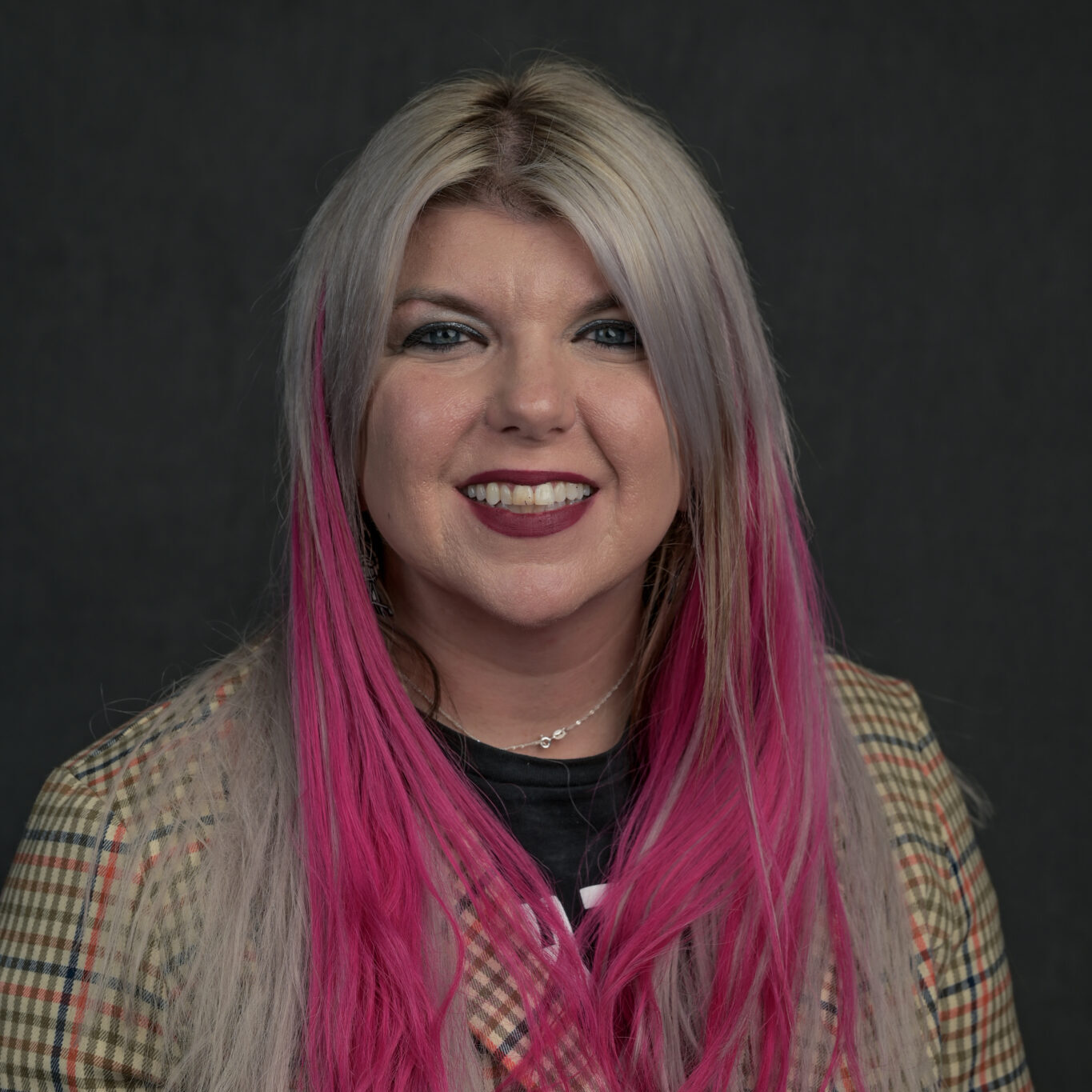
Amanda Farley is a multi-award-winning marketing leader and CMO at Aimclear®, a Midwest-based agency renowned for its US Search Awards wins. She specializes in integrated marketing, guiding teams to excel across paid and organic search, social, ecommerce, programmatic, PR, and more. Amanda has a proven record of driving results for B2B and B2C brands, scaling businesses, eCommerce ventures, nonprofits, and multi-location providers.
Under her leadership, Aimclear has earned numerous global and US awards, including Integrated Campaign of the Year, Best PPC Campaign, and Best Use of Data. She is a sought-after speaker at national marketing conferences such as SMX London, PubCon Pro, and Engage Marketing Conference, sharing insights to advance the marketing profession.
Outside of work, Amanda enjoys time with her children, painting, sailing, yoga, and supporting Detroit K–12 schools and local nonprofits.