EP338 - The URL Mistake That Killed Black Friday ft Nick Handley






In this episode of PPC Live The Podcast, host Anu Adegbola welcomes Nick Handley, a seasoned digital marketer and co-host of the Prompted podcast. They discuss Nick's journey in the PPC industry, including a significant early career mistake involving a URL change that led to the disapproval of ads during a crucial Black Friday campaign. Nick shares how he learned the importance of attention to detail and the value of having a supportive team, particularly highlighting the role of his colleague Max in helping him navigate the crisis. The conversation also touches on the evolving landscape of digital marketing, the integration of AI, and the importance of maintaining mental health in a high-pressure environment.
Takeaways
- Mistakes are part of the learning process.
- Always double-check your work, especially in high-stakes situations.
- Having a supportive team can make a significant difference in overcoming challenges.
- AI should complement, not replace, foundational skills in marketing.
- Mental health is crucial in the fast-paced world of digital marketing.
Chapters
00:00 Introduction to Nick Handley
05:51 Nick's Early Career Mistake
12:56 Learning from Mistakes and Accountability
18:18 Implementing Guardrails in PPC
25:00 Mental Health in Digital Marketing
30:34 Common Mistakes in Budget Management
32:56 The Role of AI in Marketing
37:11 The Importance of Vulnerability in Leadership
40:22 Closing Thoughts and Movie Title
Follow Nick on LinkedIn
Links spoken about -
https://aistudio.google.com/apps
https://platform.openai.com/chat/edit?models=gpt-5&optimize=true
PPC Live The Podcast features weekly conversations with paid search experts sharing their experiences, challenges, and triumphs in the ever-changing digital marketing landscape.
Upcoming: PPC Live event, February 5th, 2026 at StrategiQ's London offices (where Dragon's Den was filmed!) featuring Google Ads script master Nils Rooijmans.
Follow us on LinkedIn
Follow us on Twitter
Join our Whatsapp group - https://bit.ly/pluwhatsapp
Subscribe to our Newsletter - https://ppc.live/newsletter-sign-up/
Anu Adegbola (00:11)
Hello and welcome to PPC Live the podcast. I'm your host Anu. I'm the founder of PPC Live. And if you're used to hearing from experts about how to ensure we keep it up with the ever changing landscape, you are definitely still in the right place. Every week I'm speaking to a different PPC expert this time about their biggest F up but also how they turn things around. We never leave things on a disappointed note.
We do speak about who helped them through the issue, how we got sold, what was the big lesson for them, what they would have differently. What they do differently now post that mistake that happened. Today we have the delight of hearing from Nick Handley, who is a paid media lead at Impression. And you might recognize that brand name because Dave Alexander of Impression is speaking at our next PPC Live on February 5th.
⁓ but yeah, you know, Nick is going to be speaking, you know, about an issue, a mistake that happened very early in this career. Undoubtedly, these are the kinds of mistakes that you will hear from. They are still important, but those mistakes early on in the career in our careers are the ones that really can define us that really make us the experts we are today. And this is no less ⁓ of a case, ⁓ like that. So, ⁓ yeah, we're going to hear from Nick talking about this mistake about landing pages and how to make sure that you don't make the same error.
All right. Let's speak to Nick.
Anu Adegbola (01:32)
Hello Nick, welcome to PPC Live the podcast.
Nick Handley (01:35)
Hey, I know, thanks for having me. It's been a while, know, we've known each other for years, but never actually done anything like this.
Anu Adegbola (01:40)
It's been...
No, no, I mean, I started a podcast. You and Chris Nightingale, who was also on the podcast, you two, the two of you have started a podcast as well. And I hear it's going really well. That's really nice. Tell us even before we get into it. So tell us a bit about that podcast.
Nick Handley (01:47)
⁓
Yeah.
Chris and I, we actually first met on LinkedIn when Chris was like, I'm I'm going freelance. Do you have any work for me? And I was like, I'm sorry, man. I have zero work for you right now. And then we met at an event by Charlie Brennand was PPC Academy, which I think is Performance Academy nowadays. And we got talking, he was mentioning about AI, I was mentioning about some things I'm doing with AI. He was like, should we start a little podcast? And that's how it all started. And we're seven episodes in now, we literally just recorded our first episode of season two. And we've got the delightful
Anu Adegbola (02:02)
Yeah.
Yeah!
Nice.
Wow.
Nick Handley (02:28)
sponsor by Opteo now, so the guys at Opteo saw what we're doing, they're we'd love to be a sponsor. So yeah, it's going pretty damn well at the moment. I don't think I'll ever become a podcast host full time, but it's fun for the most
Anu Adegbola (02:29)
Nice.
Amazing.
Yeah,
it's fun. What's it called? What's the name of the podcast
Nick Handley (02:42)
yeah, sorry, the podcast is actually called Prompted, so it's the Prompted podcast. But yeah, if anyone wants to search for it, YouTube is the one.
Anu Adegbola (02:45)
prompted. Amazing. So go ahead.
Yeah, yeah, absolutely. I love that you guys have put in, have started with such good effort of, you know, it looks very nice and crisp and professional. And yeah, I really recommend folks to look at it. But before you do that, people are like, Anu, you're recommending us another podcast. We don't even know who it is you're talking to. So let me introduce you to Nick Handley.
who is one of the media focus leader working with our award winning impression. You might recognize that brand because Dave Alexander of Impression is going to be speaking at our next PPC live. You might recognize his accents. He hails from proud Yorkshire, Northern parts of our world, of a UK world. And he says the wrong side of the pennants. Hey, I think it's beautiful up there. I think it's absolutely gorgeous up in Yorkshire.
⁓ somewhat a T shaped marketer. He'll call himself with experience managing digital strategy with a strong background in growing agencies and media departments through client retention, growth, and internal optimization with a short stint in-house. Haven't we all, we all wanted to test what it's working with one brand and having a bit of normalcy of just dealing knowing all their marketing strategy. I absolutely get it.
Nick Handley (03:57)
Yeah.
Anu Adegbola (03:59)
So yeah, he's very, very hands-on managing and leading a media strategy for brands on search marketplace and social. He's had a chance to work with household names down to startups and time brand and performance together. And yeah, he's ex rise at seven. You'll recognize that brand. They really went huge in terms of the PR world, WPP and Halford. Some really brands that were really great brands that we love.
And a very fun fact that I'm definitely gonna also get Nick to talk a bit more. Well, not just the fact that he's a fellow lover of coffee. Like what's tea about? Tea is just brown water, coffee. Coffee is where it's at. But also a mountain ascender. And how many mountains did you say that you've climbed now?
Nick Handley (04:33)
you
So I think at the moment I've got it on the map somewhere, but it's over 400 mountains that I've been up now. And to clarify, a mountain in the UK is over 500 meters. So it's not as big as people actually think. Below that's a hill. But there's so many to go up. So yeah, if anyone fancies mountain talk, hit me up. I'm all about it.
Anu Adegbola (04:55)
Wow.
Amazing. And the most, what's the furthest one outside of the UK you've done?
Nick Handley (05:10)
So first one I've done by hands down is Mount Fuji in Japan. It's a phenomenal climb, but if you ever do it, I can guarantee you if there's a high likelihood that you're gonna get zero visibility and you're see nothing, the cloud cover in Japan is pretty much most of the year round. So don't get your hopes up. It's a fun climb. The top isn't exactly the best.
Anu Adegbola (05:28)
guys
It's not the best view. yeah, I said, cause
I was going to ask maybe what time was the best time of the year to do it if people are going to do it, but all year round, it's a bit cloudy, is it?
Nick Handley (05:41)
100 % I spent a fair bit of time in Japan but if you're gonna try do it I'd say winter like autumn, autumn time's probably the best time you're gonna get cold or whatever anything outside of that it's either rainy season it's too humid or it's roasting or too cold so autumn's your good window to try to try get up
Anu Adegbola (05:55)
⁓ lord.
Nice!
I actually planned to do that because it's my birthday in October time and for me I was like Japan is in my heart to do this year so maybe I'll catch the perfect weather for Japan for this year that'll be exciting probably not going to do the mountain climb let's just be honest about that
Nick Handley (06:07)
Yes.
You
I don't blame you
Anu Adegbola (06:20)
Anyway, y'all are saying that I know this is not a travel podcast. Let's let's get back to what what we actually are, you know, mainly talking about. We are talking about F-ups, but not just F-ups, how we turn them around. Nick has already like given me a sneak peek into what he's going to share with us. And you're going to learn a lot about this again. We're going to be talking about
how like AI is not the be all and end all of our jobs. yeah, it shouldn't make us lazy. We should really still be focusing on the basics and getting them wrong is part of the journey to ensure that we get them right for our clients. yeah, Nick, thank you for joining us today to share ⁓ one of these important stories with us. So without further ado, Nick, take it away. What f-up would you like to share with us today?
Nick Handley (07:07)
So I was thinking about the different types of efforts I've had and given that I'm less hands-on as I used to be in terms of account management, I've actually gone all the way back to the start of my career, which is near enough 10 years ago now, which makes me feel incredibly old. But it was probably one of the biggest ones that stuck with me and there's good reason why. So I've started my career, I was working at a place called tires on the drive.com, which are now owned by Halfords. But I was working with two absolutely lovely people, Max Hopkinson and Will Pidgeon.
and Will, the own Bind and also the Keynote Club as well. But they're the best people at Brilliant Digital. Anyway, Will had gone on holiday. Will was like, I'm off. It's the Black Friday season and I'm on holiday. He'd left me with about seven months experience with the reins of our PPC campaigns. Max is still in, Max is supporting, it's all fine. I'm using Google Ads Editor at the time and everyone's aware Google Ads Editor, back in the day, especially back then, you had to learn how to use
Anu Adegbola (07:41)
Hmm.
Ugh.
Good. Okay.
Nick Handley (08:07)
that it wasn't as straightforward. And I still think that editor is the best way to do bulk uploads, but you know, just learn how to use it. Anyway, we needed to change our URLs across every campaign we had. This is back in the day that it was easier to do it in editor than do a mass URL change within the platform. And I changed the URL and I had not checked the URL that I was putting in. Turns out the URL I was putting in was incorrect. And I was like, is fine. I like, I thought I checked it.
Everything QA'd it, turns out I hadn't. Clicked upload, everything goes live. Next thing I see, every ad has been taken down and disapproved. And I was like, fantastic. And I didn't necessarily recognise what to do to start with. was like, panicked. I was like, oh, I was like, damn, what am going to do here? I'm like, I've taken down our entire Black Friday sale. And for context as well, Tires on the Drive, back then, PPC accounted for like near enough 70 % of all their conversions. So it's a big portion of the
Anu Adegbola (08:45)
Disprice.
Nick Handley (09:06)
And I was like, I'm gonna lose my job here. I've completely messed up. So I actually raised it to Max and Max luckily helped me sort everything out and he coached me through it, showed me how to make the change in editor, to undo, reupload and make sure things were done. And it really made me realize back then that I need to be a bit more careful and that keen eye to detail was such a big thing. But I think the reason that I wanted to mention it is because nowadays with
AI and automated tools that are out. I think it's even more prevalent and salient than ever to make sure that we're actually doing the due diligence and to understand how to do something before we actually do it. Quite often I'm hearing people using AI to speed up techniques or other bits like that. I'm very much on the hook of we should be learning how to do it first and then incorporating AI after to be able to 100 % understand when it's made a mistake or if you need to change anything. And I'll stop.
Anu Adegbola (09:45)
Yeah.
Yeah.
Yeah.
Yes. Yes.
Nick Handley (10:06)
I'll stop there because I've just spoken at you, Anu. So... But that's my... that's my... that's my eff up.
Anu Adegbola (10:09)
No! ⁓
No, no, I, I know that you did that. That's the, I, I, I sometimes I'll, I'll, I'll go back to a recording that I've done with the guests. And when I hear myself speaking to you and I'm like, Anu the audience don't want to hear from your voice, you know, I'm going to edit it. And I like cut what I said. So no, it's, it's amazing, amazing to share that and how even, you know, you said that you checked a few things. So like, let's, let's go, let, let's go like.
Nick Handley (10:23)
You
Anu Adegbola (10:40)
Unfortunately, this might be the bit that will give you PTSD. I'm sorry, but like, well, let's go through the digging a deeper little bit more into the story. You said that you did do the double checking that you, know, that's the advice that's, that's a guardrail to prevent wrong landing pages. You did a check. You looked through the URLs. What is it that you missed? Was it like the tracking bit of it or was the landing page you inserted itself just wrong?
Nick Handley (10:43)
You
No, the landing page I inserted itself was wrong. And I don't know how I missed it, but I missed part of the URL name. So tires on the drive.com. I'd missed part of it within the tires on the drive part of the URL. And those other changes I was making to add copy and things like that. So I was doing a lot of different changes and it's the first time I'd ever been entrusted with doing a big wholesale change for a sale. And yeah, for some reason I just completely missed it and looking back on it, I wish I'd had a tool like, know, I
Anu Adegbola (11:21)
Bye.
Yeah.
Nick Handley (11:38)
understood and checked for me as well. So then I have the second pair of eyes whether that's AI or whether that's just some automation. It would have helped me check. But yeah, for me, I look back and I'm like, I still have dreams that haunt me now and again, whether it's Max and Will over the top of me being like, you've done a terrible job. But yeah, it's just the URL. I just mistyped the name of tires on the drive. I think I've mixed up the R and S on one of the tires. But I was like, I don't know how I've done that, but hey, I'm still here to tell the tale.
Anu Adegbola (11:45)
Yes.
Yeah!
Yeah.
Yes, yes. And even, that, you know, it, it wasn't, that's not how you got, you didn't get fired for doing that mistake. Yeah. Yeah. You've got good, good teammates, Max Hopkinson. So they, they, he came, you told him what had gone wrong. What was the fix? Well, how was it literally change the spelling, correct the spelling and go, cause you actually said you didn't know how to fix it.
Nick Handley (12:15)
Dada.
Anu Adegbola (12:34)
If it was just a change in error what was it that you couldn't quite just change in straight away?
Nick Handley (12:40)
So.
This sounds to anybody that knows PPC and those ads editor, you should always check and like re-sync your ads editor to the live platform. Well, I, the panic state that I was in, wasn't re-syncing the platform to the editor. So when I was trying to make changes, it just wasn't doing anything. So I've made changes in the online editor as well. So I've made changes in the live platform. So yeah, it like, it essentially, I'd panicked and tried to make a few different changes throughout the course of different campaigns.
Anu Adegbola (12:51)
Yes.
Thanks
Nick Handley (13:10)
and it wasn't syncing up correctly so when I was re-uploading I was getting errors thrown up and I was like for god's sake and luckily Max was like have you you synced the campaigns have you done you know have you made sure that things are all all backs of a like referencing what's live and I was like actually no I haven't so that was one of the bigger things where it was like actually taking a step back as well and you know not being overwhelmed with panic especially as a junior as well I think that mistakes as a junior you take them a hell of a lot heavier than you do as you know a more seasoned marker because it's like my god I've done
Anu Adegbola (13:25)
Mmm.
Yes.
Nick Handley (13:40)
something really bad, whereas I think it's really common, we all make mistakes, it's just about accountability and owning them. But yeah, back then I was just like, ⁓ shit, I've really messed up here, I've done something really bad and I've just like forgotten to, you know, do all the steps that I've been taught how to do anyway.
Anu Adegbola (13:50)
Yeah.
Yeah, I think it's a very great sign because you know, you've already even answered that question, which is, which is absolutely fine. Like about how did it make you feel? Like how did you feel in that moment? And you, you, you, you kind of feel like, no. And that's how a good paid search manager should feel. Like you shouldn't just be like, mistake, whatever, move on. you know, it's, it's, you know, there should be a bit of you that expects more from yourself that, you know, you shouldn't have done that. You've been trained well. You had some great managers. didn't just.
You know, for a manager to be like, I'm going to go on holiday, they must have left you in good hands or with at least with the training that you know, that you should have had. And like how quickly were you able to rectify things?
Nick Handley (14:31)
Yeah.
I would rectify things in, in about an hour, but with that as well. Yeah, it was, was a really simple fix, but ultimately when your private equity backed as well. So, ⁓ tires on the drive and I worked there was, was PE backed. So we had to understand and understand the damage or, know, the mitigation that needed to be made. So a big part of it as well was actually understanding and, and now, sorry, analyzing the downtime we had and then seeing how many more sales we had. And then Max is very, very good. And he was like, look, I can handle this. You know, he put together email.
Anu Adegbola (14:53)
Okay.
Yeah.
Nick Handley (15:10)
to let people know, but we also worked on actions to increase spend throughout the rest of the day to essentially to make up for the loss. we actually turned out to be, it turned out to be a really good trading period for us for Black Friday period. yeah, having the support from a senior member of staff and somebody that I value a lot, I still value Max a hell of a lot now, is a lovely lad. But yeah, I think one of the big ones for me is like having that support and not being lambasted or shouted at and being like, we make mistakes and as long you're
Anu Adegbola (15:16)
Sure.
Nice.
Yes.
Yes.
Nick Handley (15:40)
accountable and understand how to fix it now, things are fine. And I really credit Max for that. And I think it gave me a really good understanding of how I can help other people on my journey as a manager as well. Which yeah, big shout out to Max. I've said his name about five times then, but I don't know I'll be able to.
Anu Adegbola (15:55)
You know what, we're gonna have to tag him. We're
gonna have to tag him when we publish this stuff. Maybe we will have an interview with him to see what he is.
Nick Handley (16:01)
Yeah.
As a highlighter,
probably won't even remember it. Do you know for Max, he probably won't even remember it. He'll be like, yeah, I forgot about that. But for me, it stuck with me quite a bit.
Anu Adegbola (16:08)
No. ⁓
bless him. He's very kind. He's very sweet. Was there anybody? Cause you know, cause you're in an, no, actually you weren't in an agency. That was more, it was client side. Okay. Right. But was there anyone that maybe you feel like could have dealt with you better or was everybody just really good? All the people that you were in contact with were really good in just focusing on the solution.
Nick Handley (16:19)
That's client side on that side. That's client side on that. Yeah, yeah.
Yeah, honestly, I think it's one thing that I've always prided myself on and places I've worked and, you know, the reasons I've left certain places as well. And I think having an inclusive and welcoming environment where there's no blame or a no blame culture, as long as you are accountable. And I'll use that word, I'll use that word a hundred times over. As long as accountability and yeah, I didn't have any trickiness. Like the team rowed around me, because our team as a marketing department at Tyres was you had Claire and Justine looked after the organic side of things.
Anu Adegbola (16:52)
Yep.
Hmm
Nick Handley (17:05)
and will that were paid media and then you have Max that oversaw the department and everyone was just like really supportive about it. Nobody was like, you've done terribly, do you know it. Everyone's like, it'll be solved, it will be fine. So yeah, I value that more than anything. Workplace culture is huge isn't it? And luckily client side feels a bit friendlier. know clients on an agency side can be, I won't say spiky, but you know, there's a lot more expectations because they are paying a premium for that service, which I completely get.
Anu Adegbola (17:21)
Yes.
Yes. Right.
Yeah. Yeah, absolutely. I think, yeah. I said like working that brand, can, you feel like, you know, you understand, you understand how things should go. And I think everybody then knows that everybody understands. So like, if something goes wrong, you know what that really costs. And when you're an agency, you don't necessarily understand how much it costs. And then maybe we overreact a bit much. And, know, I, some, some of the stories I've heard with,
Nick Handley (17:44)
Yeah
Mmm.
Anu Adegbola (17:58)
Like, you know, previous, previous guests like Indi who was on the, on the show. And he's like, yeah, I had this, this client that was, you know, the relationship didn't look great. And then when this mistake happened, because the clients knew that actually internally they were doing well in loads of other areas. They didn't really actually come on so heavy that as he would have expected. So yeah, you just never know when you're the agency and you're dealing with a client and, it's, you know, it's a, yeah, it's definitely a different ball game. I feel anyone that has only ever had agency.
experience, test out working for the client side. It really gives you a little bit of peace of mind. I'm not saying quit your job. If you love your job, stay with them. But I do think everyone who's just always worked agency side should test out working client side. It's a different pace and gives you a very better perspective to it.
Nick Handley (18:46)
Mmm.
Anu Adegbola (18:47)
Anyway, coming back to the story. let's get back more on the positive ends of things. So what would you say are the guardrails you now put in place that you put in place specifically based on that error happening?
Nick Handley (19:01)
Yeah, I think it's, it's changed at the time just as things have become more sophisticated in platform, but I think the core principles still serve the same. And it's making sure that in a quality assurance process, like when you are doing QA, get yourself to check it. Walk away, check it again, especially if you're doing large scale changes. So do double check. And now that I've worked agency side and you know, there's more people to check with, get somebody else to check your work and make sure that you're a hundred percent happy with it before pushing.
Anu Adegbola (19:19)
Yeah.
Nick Handley (19:31)
The amount of times I see errors caused just because people are rushing through to get things done or they're not spending as much due diligence time on it, it's probably the biggest reason I've seen mistakes happen. no, whether insertion orders are correct or a keyword is incorrect or a match type is wrong or even your PMAX assets are absolutely knackered. It's like realistically, yeah, just take that time and take a step back. And that's what I do now. Everything that I put out is take a step back.
Anu Adegbola (19:45)
Yeah.
Yeah... Ugh.
Nah, absolutely.
Take a step back and even try and have like a second pair of eyes on there on it if possible. Yeah, absolutely. Do you ever, is it something that is already like preset or where you have your, the person who's your go-to or you just make sure someone does it? Which way do you go for?
Nick Handley (20:04)
Yeah.
So I generally, so the way we work at Impression is probably easiest way to describe it. I'd actually recommend every workplace to do this is have almost a buddy system. So we have a quality assurance system, which I call the buddy system. So I find it a much friendlier way of putting it, but every account that we work with will have an account team. There'll be somebody that isn't necessarily part of that account team on a day to day, but is there as a quality assurance officer on the account, just to make sure that if there's big changes going live, the person that is doing the activation,
Anu Adegbola (20:28)
Yeah.
Thanks.
Nick Handley (20:48)
knows who to be in touch with and give them a heads up ahead of time to like, I'm pushing this live. Can you double check it before it goes? And we have that on every account we work with. And I think that it's just a really good agency process that I think you can take in-house. You can take it anywhere. And if you are the sole person that is accountable for it, if you're in a house and you're a small team and there's only one of you, I'd definitely say use a bit of AI to help if possible, or look at creating automated workflows where there's tasks that you do multiple times using N8N or using
Anu Adegbola (20:53)
Yes.
Yeah.
Nick Handley (21:18)
Google AI studio to find ways that allow you to sense check your work without it taking hours. So yeah, that's my general thoughts.
Anu Adegbola (21:26)
Absolutely. Yeah. Use a buddy system. I, yeah, that's definitely a really good, good way to put it. I think it's a really, really great when you have it as a system so that it doesn't feel like, you know, if it's an ad hoc thing, you almost feel like, God, does someone not trust me as someone being allocated as though the second period? Cause I think that has, when I, cause yeah, you say you've been doing this for 10 years. think mine is double that. God help me. And I'm covering all the grades. But yeah. So like way back, I knew when.
Nick Handley (21:50)
No, it is not double bar.
Anu Adegbola (21:54)
Auditing started being a thing. there was always a sense of, God, my client doesn't trust me. yeah, we need to, why, why does this person want to audit my work? Are you trying to say something about me? And, know, there was always that nervousness about it. now auditing is now part of, you know, the vocabulary, system, people's services without realizing that it's actually important. It says nothing about.
Nick Handley (21:59)
Yeah.
Yeah.
Anu Adegbola (22:18)
your skill set or your expertise level. And with the fact that there's so many campaign types, could do so many different setting types. could be tracking issues and that kind of stuff. It's actually important that somebody else who's not staring at campaign every day does take a look at fresh your eyes and they will spot the mistake. And I've said this before, so apologies to my audience, but seriously your eyes pre and post setting a campaign is totally different. Once you set a campaign live,
Nick Handley (22:33)
Mmm.
Anu Adegbola (22:45)
All of a sudden you see the mistakes. All of a sudden you're like, ⁓ they shouldn't have done that. Shouldn't have done that. And it's almost even impossible to get around, matter how much staring you look at it. Once you go live, your eye sees so many different. It must be scientific. It's good. I'm going to research it. There must be something scientific about it where it's just, you just see totally something totally different. Anyway, enough of my rambling again. So.
What is your advice? Let's say someone has gone through this. They've uploaded a whole bunch of URLs in Google ads editor and it's gone wrong. And if let's say they don't have someone like Max who's like, who will be like the patient person to take their problem to. What's your advice for someone in that moment?
Nick Handley (23:32)
Yeah, I think it's probably less common, isn't it, to think about, you know, like URL uploads, but it still goes on. And I think if any form of bulk upload or any change that you make, it's, if you've made that mistake and you've now f'd up, like step away from it for five minutes, five minutes, ain't gonna, people aren't gonna die if you're, you know, step away from your screen for five minutes. Let yourself calm down before you, you know, start to change things. If you're like me, who is an anxious sort of mind anyway, like that really does help. And I think it's something that is a hundred percent.
Anu Adegbola (24:00)
Yeah.
Nick Handley (24:02)
a worthwhile skill is to de-escalate yourself before looking into a solution. And then just piece back of what's actually gone wrong, figure it out, the standard process of, know, what's the, what's the cost of action, what's happened? Like, can you find a simple, a simple error? And then how do you, how do you stop it happening again? And then just make the change. Like, I think it's, it's an easy, it's easier said than done when you're in it. But I do generally think, that time out and don't give yourself a hard time because the mistake you've
Anu Adegbola (24:19)
Mm.
Mm.
Nick Handley (24:31)
be changed anyway you might as well think about what you've done after and just think about sorting it to start with. It feels really simple but I think it helped me massively in my early career.
Anu Adegbola (24:37)
Yes, yes.
Yeah. Yeah. I, I, I love that phrase deescalate yourself. Not even the problem. Deescalate. just bring yourself down from the mountain. We love the mountains. Bring yourself down. Like just calm yourself down. Yeah. Like, yeah. Get out of that very hyped panic state that as a good paid search manager, you'll probably get into because you care about your work and you care that you've made a mistake, but yeah.
Nick Handley (24:52)
Yeah.
Anu Adegbola (25:09)
That space is not going to be the space where you're going to do your best work. So you need to come back to the space where you're calm, focused, and you can really spot how to fix things quickly. Fantastic. That is like, we're going to leave that story alone, but just one last thing. What's your take away? What's your overall takeaway for people that you'd love people to pay attention to about that story?
Nick Handley (25:34)
Yeah, I think.
I don't know how I'm going to go down like the sort of like mental health side of things or the panic side of things instead of actually looking at the mistake itself as stop giving yourself a hard time with this sort of stuff. Like we all make mistakes. It's about having that accountability and going to, you know, your boss or going to a client with here's a mistake I've made. Here's how I will solve it. And here is the impact that it's actually has. People quite often are really understanding with these things as long as you don't try hide it. And as long as
Anu Adegbola (25:45)
Uh-uh.
Yeah. Yeah.
Nick Handley (26:05)
you actually
try to resolve it and give them context. And I think that's the big one is like solve, give context and give accountability. It doesn't have to be the BBR and don't stress about it. We all work in paid media and annoyingly enough, it feels like you have to be on 100 % of the time. And if you're not, there's challenges because you're not doing your job correctly, but we have off days, we make mistakes. Just don't sweat it, but be accountable.
Anu Adegbola (26:12)
Yeah.
Yeah.
Yeah.
Yeah. Yeah. Yeah.
Absolutely. think if anything, anything, ⁓ than actually like learning how to do all the different, things you need to do in paid search, it's actually important for you to be able to know how to set up a campaign that doesn't need your eyes on all the time so that you can take a break. should not be checking paid search spend on a Saturday, on a Sunday. Like, you know, that's what AI is for. That is what automation is for.
Nick Handley (26:45)
Mm.
Yeah, I am.
Anu Adegbola (26:59)
You know, Google, all with all the updates that are coming out, know, total budget management that you can now do with both search and PMAX and display. Like I let the automation do what it's supposed to do, but obviously when then you're on the clock to make sure it's done the right thing when, when, when you're away. So yeah, thank you so much for that. ⁓ and Nick, that's been such a great story for us to, to learn from. And I hope everybody paid attention to that.
Nick Handley (27:12)
Mm.
Anu Adegbola (27:25)
So let's go to maybe some of the mistakes that you've seen, like the industry, or maybe even like, you know, the teams, your teams like, you know, like still need to get, get on board with just before the, started recording. said that you are the go-to. We will have, yeah, the something, something's a bit confusing. They come to Nick, Nick to the rescue, which is like a really cool, really cool position to be. So what are maybe like the most common mistakes are still.
Nick Handley (27:39)
in.
Anu Adegbola (27:53)
you'd say happening that maybe surprises you that you're like, guys, this is why are we still making these kinds of mistakes kind of thing.
Nick Handley (28:01)
Yeah, I think I'm not going to throw shade at my team if that's okay. But what I will do is I'll throw shade at other agencies and name them. I'm joking. I won't be naming anybody. But one of the biggest things that when we, when I chat to new prospects or clients, ⁓ it's funnily, budget conversations come up so much around people overspending or underspending. And I don't really understand, I don't understand how people continue to make and it proper gets under my skin sometimes.
Anu Adegbola (28:04)
Yeah, of course not.
Ha
Yeah.
Nick Handley (28:30)
How are you not monitoring this? Like having simple budget paces or you know, having alerts that say, when you've spent so much budget or a change has been made, it's a really simple thing. And I think the only other thing is like, I'm not sure if it's a mistake or if it's just a like, proactiveness. I won't say it's a mistake, but it's a mistake not to be proactive. I think it's one of the largest things that clients, especially now on the agency side and have been for, well, God's eight years, it's one of the biggest things people want to live for, is the mistake is you just weren't proactive and you've just coasted.
Anu Adegbola (28:45)
Mmm.
Yes.
Yeah.
Nick Handley (29:00)
and it really gets under my skin because I'm like, you should care about your clients, you care about the account. It's not just making revenue, like it's a business at the end of the day. If you work with SMB, it's like, it's probably the owners' money that they're putting in, like do your job. And I don't know, grill people, but it's one of the biggest reasons agencies seem to lose clients is they're not proactive and they make budget mistakes. That's my general thought pattern at the moment.
Anu Adegbola (29:00)
Yeah. ⁓
Yeah. Yeah. Yeah.
Okay.
Yeah,
I guess, you know, and this is why, you know, us having these discussions are very important. That is like, I say, Paid search 101, like, you know, most of the time and especially when I started when it was very much like, yeah, it was all about whoever had the most money got the position, position one. And if you could, yeah, you could outbid the competitor, that's it.
Nick Handley (29:42)
Mm.
Anu Adegbola (29:49)
Our job was budget management and the clicks. Was it getting revenue? we hope so. We weren't really measured on return on investment. Our job was budgeting. And yeah, and that really just highlights where we, I really hope people are not just giving that to AI because actually knowing how to do that properly on a basic level, then we'll make sure that AI does it well and AI has delivered you the right thing, especially with the fact that Google can also like spend up to a hundred times.
You're like twice as well, not a hundred times, like twice as much of your budget in a month. Or, you know, you've to be really careful about, well, no, it wouldn't spend more than you put it in the campaign, in a count months campaign, but it can spend twice as much in a day. Is that correct?
Nick Handley (30:34)
Great.
Yeah. So monthly budgets quite often it can overspend to reach a monthly budget if you do put it in. So you'll find that you'll get a disparity in days now and again, where you'll say budgeted a thousand pounds and you may spend like 1500 just for an hour, example, but you should always come in on mark at the end of the month, depending on what your monthly budget is or what your daily budget is. But yeah, it averages out over the course of a month. It's sneaky like that, but it's a big challenge for clients in it, especially in the world of measurement.
Anu Adegbola (30:47)
Bye.
Yeah.
Nick Handley (31:04)
where clients are like, oh, we've just spent a grand and a half and we said we'll spend a grand. Where's our return? And you know, you've got a latency to look at for conversions. It's a pain in the ass. But do you know what is why you, I, everybody else has jobs is to explain that and understand the complexity of how to work with platforms like Google.
Anu Adegbola (31:21)
Yeah. And what's your favorite like, ⁓ tool or solution for budget management? ⁓ cause there's so many, feel like Google has come out and I'm always writing about one of the, one of the other of them for you through search engine. But what's like your favorite way to do budget management?
Nick Handley (31:38)
So we actually, there's many few others that built out a budget tool. So it's actually in the Google Sheets, but it works on, so we house our client data in BigQuery. It's all safely secure and GDPR compliant, of course, but we use SQL and we actually do daily pulls from BigQuery into Sheets. And we've got calculations that work out the latency of conversion to understand the amount of conversions it will have, especially if it's on Windows. But then looking at budget as well, like what's your three day rolling average?
Anu Adegbola (31:48)
Mm-hmm.
Mmm.
Yeah.
Nick Handley (32:07)
What's your monthly and what is your expected finish going to be? And then how does that work to the, you know, KPIs of the, of the client. And then we look at, as I said, like conversion latency and other bits like that. So we house it all within Google Sheets. And the reason we do that is it's like a building block in it. It's like a, it's like Google Sheets for data nerds like me. And it means I can go out and change things and make changes for teams where they need more bespokeness. There's a lot of third party tools that do it as well, but I don't know. I just prefer building a
Anu Adegbola (32:21)
out.
Yeah. Yeah.
Yeah.
Nick Handley (32:37)
myself and have him out of control.
Anu Adegbola (32:39)
Absolutely. Yeah. Now it's always good to create something bespoke. feel cause yeah, you just, you just never know about the, the out of the box solution that Google gives where let's be honest and Google will not be shy about saying this. are aiming to hit their budgets. They're aiming to hit their revenue targets. They're aiming to, you know, hit their, their targets. Google's targets is not the same as your client's target. So yeah, make sure that you're using what needs to be used for, for your clients.
Nick Handley (32:59)
Yeah.
Anu Adegbola (33:09)
I'd also like to touch on maybe like, you know, bad ways that you feel like, mistakeful ways that people are using AI and AI solutions. Do you have any unique perspectives on that area?
Nick Handley (33:21)
I don't think, I'm not sure if it's unique, but I think I'm not yet again calling people out, but you see a lot of people on LinkedIn, like the founder, do you know, one stop solution or a one stop prompt that will write your ad copy or will do keyword research. And I don't know. I feel it feels lazy and almost predatory to people that don't really understand how it does work. But yeah, I think the biggest mistakes I generally see is people are relying too much of it to do data analysis without proper inputs. Like JSON files are by far the best way of inputting.
Anu Adegbola (33:43)
Yeah.
Yeah.
Nick Handley (33:51)
and most people just drop in a sheet. They'll ask it to do tasks that are way beyond what it can actually do without more information or more insight. And probably the biggest one is people don't seem to understand how to prompt particularly well. So a lot of the time they're quite, I won't say lazily written, ill-educated, built prompts that aren't actually giving the system and the LLM enough information to produce the output that you want. If people do fall into that trap,
Anu Adegbola (34:06)
Mmm.
Yeah.
Nick Handley (34:21)
GPT has a really good ⁓ prompt engineer tool that you can use, which I'll find and send to you on there so you can pop it anywhere. But there's also Google, it's fantastic. Google has a really good guide as well on how to use good prompts, which I've used throughout and I essentially look at it whenever I'm stuck. But yeah, those were the big ones is people trying to get AI to do too much with too little information from a prompt perspective.
Anu Adegbola (34:29)
Amazing.
Okay.
Nice.
Mmm.
Yeah, absolutely. Everybody just, and that's the thing with people who don't know it, they're, they're, there are jobs that like prompt engineer. I'm like, what's a prompt is that's not a job guys. Like everybody should just be learning how to, you know, prompt the AI a little bit better. Like I use it a lot more. So you chat GPT to write articles, you know, for search engine land, but like, I give it all the details. I'm literally like use this source and this source alone.
give me an article in this kind of format, in this kind of smooth format that our audience would like to read in a certain way. And you know, at first I had to go, no, no, no, not like that. Do this sentence this way, do that sentence. then now that I've been using it for like over a year now, now I have to, I can you do less prompting because I'll, I'll do the one side. But okay, based on the history of how much you've corrected me, I know now know what you want. So you need to really get there. It's a growing.
So if someone goes, gives you like, yeah, I have this perfect prompt for you to use the response that you're going to get is not as good as what actually should be and what that person has gotten because that person has been training their own AI for months and months. So we've always got to be careful when we're just buying into all these people on LinkedIn going, we've got the perfect problem for you. You need to test yours yourself to be honest. Yeah.
Nick Handley (36:02)
⁓
100%. And
I think there's been a few studies done recently of people giving the same prompt to an AI or the same question. And it actually has answered it in 200 different ways. I'll find the link to the study, but it just shows that, you know, it's there to please and not please from a human perspective. It's there to give the output that it thinks is going to be the most representative of what you're wanting based on what you put in. it can have a lot of bias in it as well. I've got a lot of examples and I could talk about this forever, I know. So we're probably best moved.
Anu Adegbola (36:31)
Yes.
Nick Handley (36:35)
on or else I could jump massively into it.
Anu Adegbola (36:38)
You know
what Nick, I apologize to audience if I'd already said it, that is just really why it's important that it's an expert. You know the basics of paid search, SEO, all these email marketing, you know what the output should look like because AI will give you its best guess. It will give you its best guess based on what it's collected on the internet. And if what it's collected from the internet is wrong,
And you don't recognize that you're just producing wrong thing. And you know, spitting that out on a blog or, or for your clients or putting it as a keyword research. that's not research research is actually knowing what your clients does, knowing what, what are the terms that their customers actually use, knowing the kind of ad copy and texts that they'll want to see knowing cultural differences kind of thing, depending on what, what country.
Yeah. You see, you said I could, you could go on. I, I will stop now. Yeah. Let's, let's take it back into even like into the spirit of this, into the podcast of like talking about mistakes. Why is it important and why as a leader, you've been a great leader to, know, several teams. Why is it also even important that your team hair, you talking about your mistakes?
Nick Handley (37:36)
you
Yeah, I think.
I generally do think that, especially in the digital world, like everyone shouts and touts about how good things are instead of actually, you know, honesty, like we all say, I sit in my office sometimes and I'm like, God's sake, I'm sick of this industry sometimes. Then I'm like, I absolutely love it. It just, I think it's good to show the vulnerable side. I think it's good to show mistakes can be made and that we aren't just robots. And I think given the digital world isn't as tangible. So like if you fix a car or fix a bike.
Anu Adegbola (38:04)
I'll around.
Nick Handley (38:26)
or anything that's a bit more real world, like you get reward from it quite quickly. Whereas, you know, we run a campaign or we run something and get outlandish numbers that, you know, beat everything. It's then, well, what's next? You never really have that time to breathe. Nothing showing the failures and mistakes that we can make makes it a bit more, I suppose, like humanized where it's not just everyone in digital marketing is absolutely shit hot at everything all the time. We are people and we have off days. We have days where we just don't want to go out of bed and
Anu Adegbola (38:32)
Yeah.
Yeah.
Yeah.
Yes.
Yes.
Nick Handley (38:56)
You know, we're just going to get by and do what we need to do instead of going above and beyond. So I think as a leader, it's incredibly important to let other people know that being vulnerable within our industry is an important factor and also helps everybody talk about it a bit more freely. I could go into the minutiae of how it impacts mental health, but I'll pause that one because it's a large topic itself.
Anu Adegbola (39:00)
Yep. Yeah.
Yeah.
It really is. And yeah, there's been a lot more, especially in digital industry, I hope a lot more people are focused on their mental health because the pressure of what you need to do on how you need to perform, know, performance reviews, need the person who's getting the pay rise, not getting the pay rise, that kind of thing. can, it can be really like heart wrenching and it has, it has driven people away from the industry altogether. Just thinking no one can make mistakes. I've, I've definitely like.
had people leave because they just felt the pressure of the agency. you know, it's actually is, there's so much to learn. And we're in that cusp of like, with AI, there's going to be so much, so it could be very interesting. And we've just got to give each other grace, give ourselves grace, especially, and you know, just hang in there and take the weekends off and give yourself permission to be like, yeah, take a total break, break off.
Nick Handley (39:59)
Yeah.
Yeah.
Anu Adegbola (40:12)
clock off at five o'clock and don't think about work till the next day. That is absolutely fine. That doesn't make you a failure. So yeah, I hope, I hope people like learn that big from this. Give yourself grace and make sure you focus on your mental health. And yeah, we're going to leave things there, but our last question are fun, non-PPC. Like, yeah, we're going to take a break from all the PPC talk now. If your PPC career were a movie, what would the title be?
Nick Handley (40:34)
You
Yeah, I was trying to work this one out and I was like, I, I, I'm gonna have to go and I'm gonna have to use another, another movie's name, but I call it Labyrinth. It's a fantastic film from 1980s. David Bowie is the star in it. He wears incredibly tight spandex, which is a bit unnerving sometimes, but the whole idea of PPC and digital has changed so much since the start of my career. And I feel that I am navigating a labyrinth with understanding the next move, where I think measurement and measurement and increments have
Anu Adegbola (40:50)
Okay.
Yeah
my god! Yeah.
Nick Handley (41:10)
and you know contribution of the next big things within media to understand the impact of what we do but I've never thought that 10 years ago I was trying to understand the change from CPC to EPC, E CPC, Enhanced Cosmic Work and I think that's easy to describe it. My PPC career has been a labyrinth and that's the movie title I go for because everything is changing all the time and you've just got to navigate through it to a point that it feels comfortable and you're like cool may not know where I'm going but we'll get to
Anu Adegbola (41:19)
Yeah.
Yeah. Yeah.
gonna go.
Yes.
Nick Handley (41:40)
but we'll get to the end eventually.
Anu Adegbola (41:42)
Yeah,
yeah. And I just think that it's a bit of like, you're very right in terms of like that whole like how it's elaborate because it's like when you just feel that you figured one thing out, another maze of like, okay, wait, I don't get this. Something new has come out and you still have to keep figuring it out and figuring out new things. So everybody hang in there. If you feel that your career is like a labyrinth, you're in good company and know that even like the experts, the top people in our field are feeling the same way. ⁓
But yeah, that has been such a great conversation, Nick. Thank you so much for joining us today to share your story and share about, you know, how we really focus on our mental health. And yeah, thank you for continuing to roll through the labyrinth of your career. And we look forward to where that takes you and where that leads you. Thank you so much, Yes, bye.
Nick Handley (42:29)
Cheers, Aleph. Thank you for having me.
Anu Adegbola (42:31)
Thank so much, Nick, for sharing that very honest and transparent experience about your great experience with that. I'd say, yeah, that was a great experience of, you know, going through a mistake because you had great support from Max Hopkinson. So yeah, another shout out to Max. Yeah, remember guys, really look out for yourselves when you have this, can make this kind of mistake. Deescalate yourself, deescalate yourself from that moment of panic.
and just ensure that you're looking out for yourself. It's not the end of the world for a PPC mistake to happen. It's not the end of the career. No one is going to die. We are not solving world hunger here with most of our PPC campaigns, except for those doing it for charity. So yes, those doing it to help stop world hunger. Well done to you. The rest of us take a chill pill for all the information and the full transcript. Yeah, not just the show notes, like everything that was discussed.
Go to podcast.ppc.live. We'll also share the links to how to put a good, you know, chat GBT or Gemini prompt together. Yeah, Nick said that he'll share that with us that that will be in the show notes. So make sure you check that out. Always excited for a PPC live event update. We've got our next one in like just less than three weeks now. Yeah, go to ppc.live for your tickets, only 49 pounds.
for the likes of Kat Sale, Dave Alexander and Nils Ruhsman who is, yeah, the script expert. Like if you've used any scripts in your Google Ads account, most likely it's something that Nils put together. So make sure you're there to share where he's gonna share the latest ones he's created and his favorite ones to use for e-comm especially. ⁓ Also, before I leave you, I'm delighted to share that I am taking on coaching clients. So yeah, please go to themarketingannu.com.
for that where you can book 15 minutes of free discovery call time to discuss what your needs are, whether you wanna overcome your imposter syndrome, getting more confident to speak on stages, to ask for that promotion or for that pay rise, let me know so that, yeah, we can have a discussion about that and use a program and do a coaching program that works specifically for you. So I hope you have enjoyed the show and I look forward to bringing.
More PPC F-ups and triumphs next week. Thank you so much. Bye.
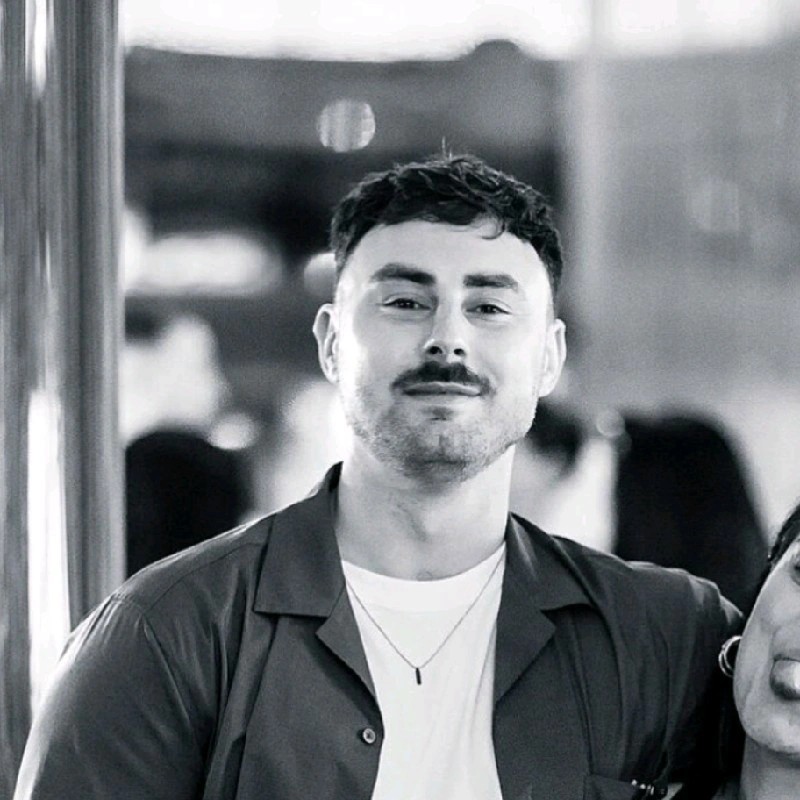
Director - Paid Media Performance
I'm a strategy and paid media-focused leader, hailing from Yorkshire, currently based the wrong side of the Pennines.
A somewhat T-shaped marketer with experience managing digital strategy with a strong background in growing agencies and media departments through client retention, growth & internal optimisation (with a short stint in-house).
I like to be pretty hands-on, managing and leading media strategy for brands on search, marketplace & social. During my time, I've had a chance to work with household names down to startups, tying Brand & Performance together 🤝
Building teams, growing brands, and agency strategy are my bread and butter. I strongly believe that people are the cornerstone of building fantastic places to work.