EP330 - How Ignoring Red Flags Cost Us ft Chris Ridley


In this episode of PPC Live The Podcast, Anu Adegbola welcomes Chris Ridley, a paid media team lead at Evaluted, to discuss the importance of recognizing red flags during client onboarding, the significance of communication and team support, and the common mistakes made in the PPC industry. Chris shares his personal experiences with client relationships, the challenges of AI in marketing, and the value of sharing mistakes to foster a learning environment. The conversation emphasizes the need for psychological safety in teams and the importance of building strong client relationships based on transparency and understanding.
Takeaways:
- Not every new bit of business is good for your business.
- Understanding profit margins is crucial before onboarding clients.
- Communication is key to resolving issues quickly.
- Red flags in clients don't mean they're bad; they may just need more development.
- Building a supportive team environment fosters growth and learning.
- Mistakes are valuable learning opportunities in the PPC industry.
- AI should not replace fundamental campaign structures.
- Psychological safety allows for honest discussions about mistakes.
- Client relationships can improve through transparency and collaboration.
- It's important to share experiences of failure to help others grow.
Chapters
00:00 Introduction and Background
02:47 The Importance of Discovery Calls
05:49 Identifying Red Flags in Client Relationships
08:46 Learning from Mistakes and Team Dynamics
11:47 The Role of Management in Mistake Recovery
14:48 Client Communication and Expectations
17:47 Conclusion and Key Takeaways
21:25 Navigating Client Conversations
23:52 Understanding Client Needs and Expectations
27:23 The Importance of Team Support
30:02 Common Mistakes in PPC Campaigns
34:27 The Value of Sharing Mistakes
37:12 From Setbacks to Success
Find Chris on LinkedIn
The tool I mentioned to calculate Revenue (or Profit) on investment
Sponsor Chris to raise money for Park Run
PPC Live The Podcast (formerly PPCChat Roundup) features weekly conversations with paid search experts sharing their experiences, challenges, and triumphs in the ever-changing digital marketing landscape.
The next PPC Live event is on February 5th
Follow us on LinkedIn
Follow us on Twitter
Join our WhatsApp Group
Subscribe to our Newsletter
Anu Adegbola (00:05)
Hello and welcome to PPC Live the podcast. I'm your host Anu, the founder of PPC Live. And if you're used to hearing advice from PPC experts about how to ensure that we are keeping up with the ever-changing landscape, don't worry. You're still in the right place. But instead of me relaying what the PPC experts are saying, I'm bringing the PPC experts to you. Every week, I'm going to be speaking to a different PPC expert about their biggest F-up and how they turn things around. We never leave things.
on a defeated note. We share about the lessons that they learned, what the process was like, who was supportive, who was disappointing, and just really what it was about that case that led them to being the best PPC expert that they are ⁓ in their field right now and within their company. Today, I have the delight of speaking to a good friend and a great supporter of PPC Live, Chris Ridley, who's the paid media team lead at Evaluted.
And he actually spoke at the second, our second ever PPC live event at the Shard, which was such a fantastic event. ⁓ today he shares about a red flag that he missed and you know, the, all the support that he was getting, that he got around him, all the surprising reactions from people. Cause yeah, we always talking about how yeah, clients might react badly to mistakes. But again, we get a story about how the clients got on board based on the steps Chris and his team took to ensure that.
they got back on track with what needed to be done from the beginning. So yeah, let's go speak to Chris.
Anu Adegbola (01:41)
Chris, welcome to PPC Live the podcast.
Chris Ridley (01:43)
Thank you for having me, Anu. How are you?
Anu Adegbola (01:45)
I am very well, I'm very well, thank you. No, it's not you that should be saying thank me for having me. I should be thanking you for being able to drop things and for me to message you on a Sunday evening and be go, please be around in the next couple of days to record. I love the way that when my audience just know I'm just about bringing the real me
Cause I got back from holiday like last week and even on holiday, was like, have I booked someone to talk? I have not yet. And then I got back and I was like, I need to get around to booking someone to get on our podcast. So guys, this is how podcasts happen sometimes. You know, you call a very good friend on a Sunday going, please, stand in for the fact that we don't have anybody else because yeah, we've been on, I've been on holiday for a couple of weeks.
Chris Ridley (02:12)
you
Anu Adegbola (02:31)
took my birthday week off and then the week after I was, I needed to recover. But I'm so delighted to be back with our experts sharing and being very vulnerable about sharing the areas where they've messed up, but also turned things around. So let's get into introducing my, my, wonderful guest. Chris Ridley is a really good friend and he's been a great supporter, not just of myself, but of PPC live. And he was one of like our first speakers spoke at the second event.
that we had at the shard. yeah, if you guys didn't make those events, yeah, you're missed out. There was a couple of them there and it was really, really lovely. was quite, I think people were buying the tickets because I said it was the shard. That was definitely part of it. Yeah. Yeah.
Chris Ridley (03:15)
Yeah, ⁓ was a nice venue and while the recordings
are online on YouTube to watch it, you don't get to experience the shard though, do you?
Anu Adegbola (03:25)
Yeah, no, exactly. yeah. So anyway, who's Chris? Chris is a paid media team lead at Evaluted. And I was actually seeing exactly, even like early on, before we started recording, I was like, you know, Chris has only been at Evaluted for four years. I thought I was asking, are you sure you mean, do you mean you've been leading at Evaluted for four years? They're like, no, no, no, full time. I do it like two to four years. And so it's such an amazing, amazing way how, you know, even in the short time,
Chris has been in the industry, he's impacted, I definitely feel the knowledge and the knowledge sharing and being very open with how his team are testing things. He's got an always available management style, meaning he's always available and up to date with ad platform changes, account managers, and making sure that they're never working alone. He's got a natural curiosity and desire to help others and to lead them in
creating and sharing like spreadsheet templates, custom columns for ad platforms and other tools to translate performance data into financial and business terms that you can share with your stakeholders because this whole paid search world that we're in, we can get all bugged down with all the AI, AI, but we're not delivering results for our clients. We might as well just go home. We might as just go home and call it a day. But so yeah, Chris is very much in, you know, trying to help managers and his team
impact what stakeholders and what their clients really need. Fun fact about Chris, something that whenever someone says they're doing this, I feel no jealousy or no, no shame to join them. Chris is running the marathon, the London marathon, the most famous one in the UK. he's doing that in April and he's doing it for, ⁓ the parkrun charity. I did several parkruns. Those parkruns are great. Like, especially like in London, wherever you live, if you, know, you can
Just go online, find a park run near you. And it's just a lovely way to start a Saturday morning. It's a 5K run. You do it in a group of people. Very good way to even make friends, meet people, meet, you know, have a bit of flirting going on as you're running, which I used to do. Sorry. Why am I talking about this? It's now becoming my fun fact. Chris, why do you like running marathons so much? Yeah.
Chris Ridley (05:43)
Well, this is going to be my first marathon I've run. I've
done a few half marathons. But the reason I've chose Parker and Globe as a charity is because it got me back into exercising after lockdown. And it has been huge for my mental health as well, like getting out running. Like you said, I didn't flirt on my Parker runs, but I did socialize. did network with people and I get to know people. And because it is completely ran by volunteers, know, the people who are
Anu Adegbola (05:54)
Hmm.
Chris Ridley (06:10)
doing the briefings and at the start, the people who are scanning the barcodes at the end, they're all volunteers. They're all spending an hour or so of their Saturday to help other people get exercise. I just love the community part of it. So, you know, that's why I park runs and that's why I'm running the London Marathon.
Anu Adegbola (06:15)
Mmm.
Yeah.
Amazing. And no, I think once one thing I definitely will mention, I you're also like a mental health kind of advocate of hope and you helped me with mine. I'll be absolutely honest. There've been times I've been have frustrations and just just like I'll call Chris. I'll just call Chris and we'll have a nice long chat. And it's not about him giving me a solution or a fix. It's just that someone who's listening to you and just making you feel valid in that
moment. It's just been really great. So generally, thank you for that as well. So because yeah, our mental health in this session in 2025 is so, so important. So I hope we're all looking after that. So let's move on to what this this fantastic conversation is about. We're not here as much as it's very good to talk about mental health. We're not here to talk about it just that yet we are here to talk about
F-ups and how we turn them around. And yeah, as I said at the beginning, this is not about, should not be the one grateful to me. I'm very grateful to him to share this. Even the people who are brave, I almost feel quite bad because it's like I'm resurfacing, you know, a traumatizing memory that you've managed to, you know, shut, shut away. So yeah, for that even more than ever, so grateful. And, you know, as I keep on saying, we don't leave things on a defeated note. This is not a,
forum for us to be like, oh, look at how bad I was. This is how I turned it around. This is why I'm still a trusted expert in our field, why conferences like Brighton SEO and PPC Live and Performance MCR will still look out for me to speak at conferences. Because yeah, we're going to be seeing Chris on many more stages next year. I'm sorry. I also need to point out that, Chris, why are you also pitching to speak a week after you're going to do a marathon?
My dear, I'm worried for you.
Chris Ridley (08:20)
be honest I didn't realize they were so close together when I did it. I'll put that out there. thought brightonSEO was start of April, the marathon's at the end of April, I thought I had enough time to recover. I'm gonna do a bit of research, I'm gonna see what I can do. Worst case scenario I get wheeled out in a wheelchair and I do my talk and it will be all fine and dandy. Like I don't need to walk out there as long as I can talk I can do my talk.
Anu Adegbola (08:22)
Right? Yeah!
Amazing.
As long as your voice is working. Yes, that's the dedication Chris has to sharing knowledge about paid search on stage. This is fantastic. So anyway, let's get into our story of today. Chris, what f-up would you like to share with us today?
Chris Ridley (08:45)
Thank you.
Yeah. So I could go down the route about what I've done in an account to spend loads of money, but instead I want to talk about the step before that really I F'd up by ignoring the red flags when on boarding clients. Um, and I think that's one of the biggest F-ups you can do whether you're freelance, whether you're in-house as well.
you know, agreeing to those kind of strategies and those benchmarks and those KPIs, that's where you can really tie your own noose.
Anu Adegbola (09:20)
Mm-hmm.
Yeah,
yeah, absolutely. Okay, cool. Let us talk a bit more about that. What, was the, like the strategy, like, you know, idea that you agreed or what was the goal that you agreed to that weeks or months later, you realized we are not going to make this. Was it something like that?
Chris Ridley (09:46)
Yeah. So the first red flag was the client came in and they wasn't sure of what they wanted their KPIs to be. They weren't sure about their profit margins. weren't sure. There were e-commerce brand selling B2C. They weren't sure about their profit margins. They weren't sure about what they needed to achieve as a ROAS to be profitable. ⁓ And we were like, okay, fine. Let's like, let's do an estimate to begin with. You know, we didn't push them too much because
Anu Adegbola (10:04)
Yeah. Yeah.
Chris Ridley (10:13)
In all honesty, was early on in my career when this happened and I saw any new business as a good, like a win. And hopefully this story I'll tell you and me sharing this will make you realize that not every new bit of business is good for your business or good for theirs.
Anu Adegbola (10:29)
Yeah, yeah.
Chris Ridley (10:32)
So we agreed to quite a modest like six, seven times return on ad spend forum.
but it wasn't until later on when we actually got into the data and we saw the actual profit margins for their products and everything, we realized that wasn't sustainable. And that's where we kind of effed up really, where I effed up.
Anu Adegbola (10:50)
Yeah.
Yeah. Yeah. So like, so I feel like it's more of an again, what all these mistakes are showing, showing up is the fact that it was more about a learning curve. Like how could that, what's the thing that could have avoided you actually, you know, like, cause you say, I'm saying that you ignored the fact that they didn't have like,
a target or they didn't have a good idea of their profit margins. So is one thing you could have done is actually say, well, go and figure that out properly before we start working. What was the thing that just didn't really didn't happen that should have happened?
Chris Ridley (11:29)
Yeah, doing a proper discovery call and actually getting the client to put that trust into you about sharing their financial data with you. Like they don't have to share P &Ls and everything with you, but at least understanding what costs that you're going to have to cover. know, so if you're an agency or freelance, you're going to have to cover your own management fee, your own retainer, you know, you then have to cover the ad spend. You then have to look at other stuff. So for this client, they didn't tell us until later on that.
Anu Adegbola (11:37)
Yeah.
Yeah, yeah.
Yes.
Chris Ridley (11:59)
they wanted us to cover the cost of their SEO and the cost of their website hosting within our Google ads like RoAS. And we're like, whoa, whoa, whoa. Like they should be coming elsewhere because we're not the only channel contributing to the website. You should be paying for those from other channels, SEO, they should be covering their own and a lot of other aspects there. it's how that discovery call, sit down with them.
Anu Adegbola (12:06)
OK.
Chris Ridley (12:26)
and really get into the meat of the business. And the best way to do that is just be upfront and educate them saying, look, we need to understand this information so we can see if we can actually generate a profit for you. Because the last thing we want to do is spend all of this ad spend, you pay us. And at the end, you're ending up with less money in your bank than before you paid us. Like as marketers, we want the opposite. We want to put more money into their bank. We want to help them grow. We want them to scale.
Anu Adegbola (12:30)
Yeah. Yeah. You're right.
Absolutely. So are you saying there wasn't a discovery call? you like, you know, you won the account and you just started working?
Chris Ridley (13:06)
We did a discovery call, we had pushback from the clients about not wanting to share the information. They don't have the information. So we were like, that's fine. Let's just put a placeholder in for now, just so we can talk to you about how our strategy would work and so forth. And like I said, it was early in my career. I wanted to get the client to sign, to win. It looked good for me, looked good for the business at the time that I was working with. And you know.
Anu Adegbola (13:12)
Okay
Yeah. ⁓
Chris Ridley (13:35)
It's like a house of cards. We put it all together precariously like it's going to work out. Unfortunately, it just kind of collapsed in on itself when one piece falls off.
Anu Adegbola (13:37)
Yeah. Yeah. Yeah.
Right. Right. Absolutely. And I know the team at Evil Eated are absolutely fantastic, but I also feel this is the kind of thing that it's not down on one person because am I right in thinking this was still when you were at Evoluted right? Or was it a different company?
Chris Ridley (14:00)
Yeah, so
this particular one was when I was at Evoluted yeah.
Anu Adegbola (14:03)
So what was your team set up? Because especially if you're a junior, you're still a bit new, it shouldn't be your responsibility, I'd argue, to be like, okay, this is all the information we need, let's go. There should be enough other people involved as well to say, actually, no, we don't have enough information to start working on this client. What was the team set up, if you don't mind me asking?
Chris Ridley (14:29)
Yeah, don't mind your asking. yeah, we had myself involved. was the team lead at the time. So I was leading the department, but I was new to the role. And I had higher management involved as well. And they asked me, you happy with the KPIs they provide? Are you happy with the answers they provided? you know, completely on me, is I didn't have the confidence in myself.
Anu Adegbola (14:36)
Okay.
Yeah, yeah.
right yeah
Chris Ridley (14:58)
to be able to push back and said, no, because I was worried about pushing deadlines further back. was pushing, I was worried about, if we say no, that's not enough information, a competitor says, yeah, we can work with that. You worry about that. It's you have that mentality and it really gets to you. And like I've learned so much since from, you know, my colleagues, the management around me as well, that you can say no and push back because as this f-up kind of showed me,
Like the best thing to do is push back because you can then provide the best service once you do have all the information. Even if that service is you referring them to someone else, you know.
Anu Adegbola (15:34)
Yeah.
Yeah. Yeah, absolutely. No, definitely. think that is something that has come up a few times in previous conversations as to choosing the right client is what's going to make or break your love for this industry, for your love for this job. I must say I'm not pointing any fingers at any client particularly right now, but when I left doing hands-on account management, I was
quite delighted. did not look back thinking, ⁓ shucks, ⁓ no, now I'm just going to write about paid search and not actually do it. I was like, good riddance, am done with that. can just be stressful. Even when everything aligns, even when you've got the right information during that discovery chat, even when they've given you the right KPI, it's just choosing the right kinds is not always obvious.
The fact that you've chosen, sometimes you just can't figure it out until the relationship starts. And then it's like, we made, a boo boo there. And yeah.
Chris Ridley (16:42)
Yeah.
And a big caveat to all this as well is like a red flag from a client doesn't mean that they're a bad business or they're a bad client. It just means they're not right for you at this time. You know, it could be that they're not digitally mature enough as a business. You know, they don't have the infrastructure in place to support the strategy and vision that you want to deliver, or they might not have the personnel inside and the, the protesters internally yet to actually
Anu Adegbola (16:57)
Yeah.
Yeah.
Chris Ridley (17:10)
scale how they want. And
that's kind of like where I mentioned about referring them like with this client, like they had other priorities that they weren't aware of that they should be doing before Google Ads, you know, and that's where they should have started really. Like there would have been a green flag for those agencies and those service providers. But for me as Google Ads, it ended up being red flags and that's no discredit to the business at all.
Anu Adegbola (17:20)
Mm. Mm. Yeah.
Yeah. Yeah.
Yeah,
no, absolutely. But then even going on to how then, you know, it was your team or your manager, you know, the response to, okay, we've now found the issue. Because an important part of these conversations is to, you know, instill a feeling of how your manager should respond to you making a mistake. And it shouldn't put you in a situation where now you're fearing for every time
you know, you might step a toe out of line. So how, how was that received in terms of the fact that, you then communicated to your manager that, we messed up on what terms of the, you know, that discovery call, we should have asked for more. How, was that conversation for you? And did that, was that encouraging or was there a bit, you know, something lacking?
Chris Ridley (18:27)
Yeah, it was really encouraging. it actually went both ways. The team within that I manage, they were the ones that caught on a first flag, like, you know what? The data's not matching up to what we thought. ⁓ So we used that time to build a relationship with the client to actually get more information, actually understand a bit more about profit margins and so forth. And then we were able to kind of present that to Sam,
Anu Adegbola (18:39)
Yeah.
Chris Ridley (18:54)
who is the co-owner of Evoluted and we went to him like, look, I don't think
Anu Adegbola (18:57)
you
Chris Ridley (18:58)
this is matching up. I'd love your opinion. And he was really supportive with it. We have a really good relationship, me and my team and me and the managers around me. So he was able to sit down and go, okay, yeah, I can see this. We looked at the website UI and UX and go, you know what? Yeah, there's a lot that is, leave desired here. And that is...
Anu Adegbola (19:01)
Mm. Nice. We have a really good relationship, me and my team and me and the managers around me. So he was able to see that and yeah, can see this. There's a lot that is deep, desired, clear.
And that is the issues that support the low conversion rate and low ROAS And we were able to kind of get all this information to
Chris Ridley (19:21)
big issue that's causing the low conversion rate and the low ROAS. And we were able to kind of get all this information into
a nice little calculator we built in Google Sheets that actually calculate their profit on investment and their ROAS. So they can see, look, when you take our management fee and when you take all of the costs you want to deduct as well, this is what you're gonna end up. And the actual ROAS you need is actually gonna have to be three times higher than what you set.
Anu Adegbola (19:32)
Yeah. Yeah. Yeah.
Chris Ridley (19:49)
And by talking that through, like Sam guided me through
that and trained me in that. Like he was able to help me not just learn what my f-up was, but also how to fix it, how to communicate it to the client, which I've carried on to every other client meeting I've had ever since.
Anu Adegbola (19:56)
Yeah.
Shout out to Sam, that is a fantastic way to, you know, deal with like your teammate who has gone, you know, I got this wrong because I think I've had previous experiences with different jobs where, you know, yeah, I've made a mistake and maybe in my, bit of my arrogance a little bit, I wouldn't necessarily advise that everybody approaches this kind of conversation this way, but you know, we'll, have a team meeting and you know, there'll be someone who's more senior than me. There's let's be honest being paid a lot.
Chris Ridley (20:10)
Yeah.
Anu Adegbola (20:36)
more than me so I'm like well you've got a bigger responsibility than I have and they'll be like well let's discuss do you know what you did wrong I'm like if I knew I wouldn't have done it like just tell me where I went wrong and teach me here like I want to be better so let's just yeah move on from that whole thing and I'd say that I'm like well I'm not sure and that's why we're here right for you to tell me and help me to be better and
Look, there's ways of having that conversation where you don't, you don't come up, you know, too arrogant because, I do think it's worth saying where if you feel like your manager is not being forthcoming with the whole, let's fix this. I think it's, it's worth mentioning, Hey, I know I messed up here, but clearly you know better. And that's not me saying that in an arrogant or patronizing way you, and I want to learn from you. Can you tell me what I could have done better? And
Chris Ridley (21:15)
Yeah.
Anu Adegbola (21:31)
Hopefully you shouldn't have to say that that should be natural the way I it sounds like Sam as the times approach was it should just be a natural Okay, we messed that up. This is what we should be done. But even if that doesn't naturally happen I think it's worth speaking up and saying well, I want to do better next time. What did I do wrong? Can you please can you please you know, help me out in that way? So yeah, very very good to to hear that you had a manager for that and yeah for managers listening Please know that that is the way you should approach that, you know, like
some mistake happens, get into training mode, get into, okay, that's somewhere we clearly an area that that person's shortcoming is let's block that hole and make sure they're up to scratch. And yeah, and that's great. How was the client's response? Because I'm also like, cause you mentioned something, you know, very key, you know, earlier on that sometimes you're just nervous that the client, ⁓ my, then, you know, go away because you're pushing.
⁓ so I'm guessing you then had that conversation with the client and they didn't run away from the sounds of it.
Chris Ridley (22:36)
Yeah, so I had that initial fear where I was like, I'm going to say this, they're going to put all the blame on me, you know, or we're going to get into a dispute about how they didn't give me the right information and that made, you know, but no, they're really, really like open to it. And I think it opened their eyes a bit as well. And this is where I kind of bring it back to the point where a red flag doesn't mean a bad client. Like they weren't bad people to work with. That wasn't a bad business to work with.
Anu Adegbola (22:47)
Yeah.
Yeah.
Chris Ridley (23:03)
they were just weren't at the right point. They needed to invest in their development and their websites and then, you know, stock and other stuff. And then they could have really pushed for, you know, Google ads. So when we told them this and we showed them the maps we did, one, they were impressed at how we were able to understand that the data they gave us and how we were able to bring Google ads into it and show them, look, you invest this into us and you invest this into Google ads.
Anu Adegbola (23:03)
Yeah.
Yeah. Nice.
Chris Ridley (23:29)
this is what you get out, these are your costs. I can share the calculator we shared with them. So where this can use the template as well. And it really helped open their eyes at understanding how it works. And it led to a discussion, like conversation, exploring, okay, but what if we could reduce this cost, like management or hosted? What if we took SEO out of it and all this? And that really led to a conversation where,
Anu Adegbola (23:35)
That'd be great, yeah. Yeah. ⁓
Chris Ridley (23:55)
they were genuinely looking at how we can make it work rather than try to point the finger at anyone. ⁓ And Sam was in that call. He was, was shadowing kind of in case I ever needed his support. I only need it a couple of times, but it was great knowing I had him there to support me. And it was great for my team because they saw that I was presenting it. I was supporting them and I was protecting them from the blame. Then I knew that, you know, it was my
Anu Adegbola (23:58)
Nice. Yeah. Great. Yeah. Nice.
Chris Ridley (24:25)
responsibility, but I had Sam there to back me up if I needed it. So it was a nice, nice little support network we had there, like a little triangle. And the client was receptive. know, the relationship didn't last because of they had other priorities that we identified to them. But, you know, we were able to get it to end on a positive note. Even if we didn't hit the targets they wanted.
Anu Adegbola (24:29)
Yeah. ⁓
Yeah.
Fantastic.
Yeah.
Yeah, not absolutely. You know, as you were talking, it reminded me of, you know, the previous episode as I, I did with our friend Inderpaul right? Indy was talking about how, yeah, they had that client, a client that came in and because of, you know, Things beyond their control, that client came in, you know, on the, it was a, you know, back foot relationship and the client just seemed a little bit nervous about everything and always like, you know, pushing them in a, in a way that didn't make sense.
And then when this error that we discussed with us happened, you you're expecting the worst cause you're like, God, this was a difficult client, know, very nervous about telling them. But then when they, you they went about it in a very, you know, open, transparent of like, okay, this is what we did. This was the plan and the client were actually like, we get it you're human beings, you know, we did, even though you've overspent, there's another area where we've underspent and yeah, we can take some budget out.
clients suggesting that. So it's a very just, just sticks on the points of the fact of like, you know, a red flag client does not equal a bad client, you know, because you've figured out something that, you're not, you're not sure. Cause yeah, that case of Indy's client, that, that sounded like a red flag client, but then when something went wrong, they were part of, they, became part of the team of finding the solution and that became, it became one of their best clients. So yeah, definitely worth thinking about that.
Chris Ridley (26:18)
Sounds like a cracking episode to go back and listen to when it gets released.
Anu Adegbola (26:23)
Yeah,
it's already released guys. So go, go and listen to that. It was such a great episode. I, and I don't know if it would be annoying with me saying this, but my favorite is also the extra, um, cause I give you, give you links to some of the fun facts. in this fun fact was the fact that he interviewed Ed Sheeran, but like in early stages before Ed Sheeran became famous. And we've got the YouTube clip of that interview. it's so cool. It's so cool. I love it.
Chris Ridley (26:51)
I'm gonna have to go back and
watch that. That's cool.
Anu Adegbola (26:53)
Yeah, you definitely
should. You definitely should. mean, Chris, that has been a fantastic conversation. We're gonna, you know, story about that red flag. think every, with each new episode, I'll put my hand in all honesty. Sometimes I think to myself, some of these mistakes are probably going to be the same. And, you know, the stories are all going to start sounding the same, even to me listening to all of them, but they're really not. And I think
One thing that is really nice to hear from someone who doesn't do account management anymore is, you know, what is kind of what I'd call the anatomy of a good PPC team. And it's different with each guest I've spoken to. And, you know, there's so many different ways of managing a team that is good and professional. that really inspires me that I think that our audience need to hear in terms of
on the, terms of like a space of they're about to join a team and maybe they're not sure what good or bad looks like or someone that's in a team and thinking, I'm feeling weird about how my manager is doing things, but I'm not sure. And I think it's really important to hear these kinds of episodes and be like, actually, if you're not sure, then maybe something is wrong and trust your gut when you feel like your manager could be doing more for you in terms of upskilling you and helping you actually grow.
grow in your team. And yeah, it's really great to have someone like Chris, who's very much like that kind of person who is who who think who finds it very important Chris and Sam, you know, again, like, you know, both of those guys seem very, very like keen on upskilling your team, you want to join a company that is invested in upskilling you not just, hey, you're gonna have, you know, you're here to do a job. And if you don't do that job, right, you're out. That's that's not how teams should be like.
but let's say one last lesson, one last takeaway you'd like to give it to us, because we're going to talk about other people's mistakes that you found out, but before we tangent to that, what's one, you know, now key piece of takeaway you'd like to leave our audience with about that story and about that case you've just shared?
Chris Ridley (28:47)
That's it.
Yeah, and this piece of information kind of relates to managers as well, that you were just talking about, Anu. And it's, use your words, communicate. know, like, as scary as it is, owning up to a mistake, the sooner you do it.
Anu Adegbola (29:07)
Yeah.
Chris Ridley (29:18)
to the people that you have that psychological safety to kind of be honest with, the sooner you can work together to solve the issue. And that might be where my team approached me first going, hey Chris, I think a mistake's been made here. We're not hitting the KPI, data doesn't look right. Or it's me going to Sam and going to Sam.
Anu Adegbola (29:23)
Yeah. Mmm.
Chris Ridley (29:41)
I have to appear like I don't think this is going to work long term. You know, having that psychological safety is crucial for you to solve the problem quickly because the alternative is bury your head in the sand and either hope it blows past their Noah notice or wait until it gets called up by the client and then you're on the back foot and it makes you look bad for not communicating that to them. So always be proactive communication.
Anu Adegbola (30:01)
Yes.
Chris Ridley (30:07)
And be honest when you can as well. If you know what the mistake is, tell them. It saves a lot of hassle, people trying to work out what it is.
Anu Adegbola (30:09)
Yeah.
Absolutely. That's a very, very good ⁓ point to leave on for that story. So yeah, shifting now the spotlight to, you know, maybe accounts that you've onboarded, you know, clients that you've taken on and you're like, okay, this is a mistake that the previous, the previous agency made or the previous consultant that we're working with. And especially, you know, if we could, you know,
weave in a bit of an AI story in there. Why not even better? But what's one big eff up that you feel like, you know, our industry is still making that you're like, guys, we should have moved on from this by now.
Chris Ridley (30:51)
changing every campaign to a performance max campaign in your account. We're seeing this a lot where you can look at the old campaigns they have paused or removed. You can see there was a good structure there where they had the channel segmented, there was flows and there was a real strategy behind it. And now we're just seeing two or three performance max campaigns, sometimes just one performance max campaign running with everything in it.
Anu Adegbola (30:54)
Eugh
Mm.
Mm.
Chris Ridley (31:21)
And like they're reporting amazing numbers, but when you go in and audit it, you see a lot of it as brand campaign, like brand search terms, that kind of over-consolidating is the issue I see. Like too many people are doing it and trusting AI and not putting those measures in place. you know, yeah, it's real. We need to go back to the basics of campaign builds. Yeah.
Anu Adegbola (31:29)
Yeah.
Campaign builds on structure. You know, without giving too much away, didn't even mean to be plugging this. So we're going to be at SMX next that is happening on the 18th of November. Chris is going to be one of the fantastic speakers that is going to be joining us on speaking about, you know, trends. I'm going to have a conversation. Well, I've taken it. I've already had the conversation. It's going to be streamed on the 18th. I think it's going to be 19th specifically. So was speaking to Navah Hopkins and Ginny Marvin of Microsoft and Google respectively.
And we went through our conversation and we'd had some questions lined up. We're going to talk about creatives. We're going to talk about measurement. We're going to talk about count structure, then round up on hidden gems. we went through and we had the timeline on how long conversation needed to go. And we came to the end of it and I had to skip one question. And at the end of it, Ginny was the one that was like, I feel like we skipped a question. What was the question? I was like,
account structure. She's like, no, we've got to talk about account structure. Please, I knew let's record something and we'll use it. I'd maybe like as a bonus clip because yeah, account structuring your campaigns, structure your accounts is so, so important. And it was actually really nice from both Ginny and, and, ⁓ and Navah. It wasn't like an advice to consolidate everything. You'd think that's probably what they do. Consolidate, put your marching, because all these other AI sorted out, they were actually like, actually your campaign
should be like, you know, your strategic, you know, leader in like, let's say like you're going to, you know, military kind of setting, like that's the person that's your general. And it's, their targets should be, it should be like one target working on it. It should be, you know, to split out. But then if you've got, you know, the campaigns that have too many of the same, let me, I want to remember this right, of the same goals.
but they're now split out in too many campaigns, that's not great. But if one campaign has too many different goals, split that out. So there's definitely even in our AI world, a case for consolidating, but also splitting it out because one campaign should not have too many different, you know, conflicting goals because then that's not gonna work for, for Google's algorithm, its not gonna work for you as an advertiser or for the client. So yeah.
That's a very good point in terms of very in line.
Chris Ridley (34:09)
Reporting
on that would be a nightmare. Like trying to report on just one campaign would be a nightmare. And it's great hearing that from Ginny and Navah as well. Like shout out to them too. We're very fortunate to have two very accessible, very supportive ad liaisons. So shout out to them.
Anu Adegbola (34:19)
course.
Yeah. Yeah.
Amazing, amazing. I also want to do like one more question just talking about, you know, the just this theme of this podcast about talking about mistakes and, and I guess I kind of touched on it, but it'd be really great for us to like really speak to managers as to how they create a safe environment for their team. Like, even just talking also about the fact that we don't hear mistakes talked about a lot. I think that was one of the things that got me really excited about.
you know, tangent in my podcast to be about, let's talk about F-ups because I don't think anyone else is, that's going to be my unique selling point for this podcast. Talking about something that nobody else really talks about. Let's talk about our, how we've F-ed up. Why is it important that we have these kinds of conversations? Would you say?
Chris Ridley (35:13)
think one, it kind of shatters the illusions people might have about, know, especially us who post a lot on LinkedIn and X and all that. Like we're not perfect. We're all human. make mistakes and mistakes are the biggest learning curve you can have. And especially in PPC, especially in paid media where we are not just getting a fee from a client if we're freelance or agency side.
Anu Adegbola (35:22)
Yeah.
Mm-hmm.
Chris Ridley (35:40)
But we're also handling advertising budgets as well. And we've got the responsibility of all that budget. And I think that can put a lot of pressure onto someone knowing that a mistake they've done could cost a company thousands, if not more. And I think being open sharing how to solve those, how to also avoid those mistakes. think only by sharing can we help the next generation and our colleagues.
Anu Adegbola (35:43)
Mmm. Mmm.
Mmm.
Mm. Mm.
as well as the four domes. I think only one share can help the next generation.
Chris Ridley (36:07)
avoiding those mistakes.
Anu Adegbola (36:10)
Absolutely. I couldn't have said that better myself and I'm not even going to try. Thank you so much for giving that fantastic insight as to why that yeah, that I'll just be repeating your words if I tried to say so let's go. Like, look, it's been such a great conversation. Thank you again, Chris, so much for joining us. Like you and I, could talk for hours and I'm actually delighted that we'll be talking again, talking about PPC trends So guys join on, you know, go on search engine land.com. You'll have the link on where you can find, ⁓
Chris Ridley (36:21)
Thank
Anu Adegbola (36:39)
you know, you can join this. It's a free event. Yeah, it's free to join on. ⁓ Yeah, so that's next week. You know, join that and you'll hear more of us talking about, you know, trends. We're going to be speaking with Reva Minkoff as well as Ameet Khabra two also founders of agencies who have been doing great stuff, you know, for a long while now. So, you know, we talk about trends, what we should be thinking about for the next year. So, yeah, please, please join that as well as with Chris and...
and more things that we're going to be, yeah, well, things that we should be preparing for for next year.
Before we leave, like, yeah, my favorite rounding up question, Chris, if your PPC career were a movie, what would the title be?
Chris Ridley (37:19)
I think if my PPC career was a movie, it would have to be a title like from turned down to turned up. Because I only got into PPC because of redundancy that I experienced earlier in my career. And from then I got turned down. I taught myself PPC, taught myself digital marketing. And, you know, I'm now turning up to podcasts. I'm turning up to work as head of paid media.
Anu Adegbola (37:26)
Okay
Yeah.
Chris Ridley (37:45)
And yeah, so, you know, seven years ago I got, I lost my job and now I'm here. So from turned down to turned up.
Anu Adegbola (37:54)
to
turned up, absolutely love it. And we're so grateful that you keep turning up. You keep turning up, know, like with all you've got, like even with not knowing everything, but still with what you've got, which is always very useful. So thank you so much, Chris, for always turning up. And for where you turn up, whether it's online or in person, where can people find you next?
Chris Ridley (38:22)
Yeah. So I'm always on LinkedIn and you can even book a 15 minute consultation call with me. It could be about anything about F-ups. You could talk about the tool I've shared. could even be talking about this podcast episode, whatever you want. I'm also planning to be at Brighton SEO in April, you know, as long as my legs allow me. I'm also at SMX next as well, which is next week. It'll be a five o'clock.
UK time start time so it's perfect if you're in the UK and you're just finishing work and need to wind down a bit or it's great if you're in the US and you're just going on your lunch break so that's where you can find me.
Anu Adegbola (38:46)
Yeah.
Right.
Awesome. And also you're, you're the marathon runners. You do it because you're trying to support a charity. What's that charity? How can we support you in terms of raising funds?
Chris Ridley (39:09)
Yeah, absolutely. So Parker and Global is a charity that is involved about building communities across the world. They have like thousands of events running every Saturday morning and Sunday morning at 9am. Saturday mornings are 5k run, free to attend. You can download a barcode and you can scan it and you can track your times. And they also have achievements and everything like that. They also do a Sunday one, which is a 2k, which is designed for kids. And it's a great way to get kids and young families involved in running.
Anu Adegbola (39:19)
Mmm.
Yeah.
Chris Ridley (39:38)
It is all run by volunteers and it is free for everyone every week forever. And I'm raising £3,000 by running the London Marathon to help achieve this goal.
Anu Adegbola (39:51)
Amazing. We'll share the link as to where you can, you know, help support that in our show notes. So please go to that. And yeah, running health is really great. It's what got me through our COVID years. COVID years on lockdown and just being able to be like, just get outside of my house, go for a nice half an hour run. And, know, I was able to find a park run and obviously we weren't able to really do that, but just a nice, you know, nice run to start the day really gets the blood flowing and gets you motivated for the day. so yeah.
Yeah,
fantastic charity to support there. Well, thank you so much, Chris. One last thank you. I think I've said thank you so many times every other day, but definitely not too much. Thank you so much for joining this podcast, sharing that story and sharing about the efforts that we should be wary of. ⁓ But yeah, that's it for today. Thanks, guys. Thanks. I think
Chris Ridley (40:40)
Thank you, Anu.
Anu Adegbola (40:44)
Thank you so much, Chris, for sharing that very honest and brilliant feedback and retelling of that story. again, amazing kudos to Sam. He's a manager who listened to what the error was and was just ready to dig in and help out to get them out of not quite a big mess, but a bit of the mess that they found themselves in, which led to a great client relationship, even though along the way it didn't end up being a great relationship.
well, it didn't end up being a long lasting relationship, but it ended up being a great relationship, which is what's important with a client. It's not about holding onto a client for as long as possible, but ensuring that the moment that you're holding onto that client is an enjoyable one is a one of respect and open communication as Chris very surridingly highlighted there. so yeah, for all the information and the full transcript, please go to podcast.ppc.live where you'll get all the details.
all the links to the resources that Chris shared and how to actually even donate to the fantastic charity he's running the London Marathon for next year. Also in terms of our events, we've got, it's a save a date I've got for you so far, it's February the 5th, we're gonna be back next year. So that's it for our events in 2025. We're gonna be starting off again next year. I'm gonna be viewing a venue in the next couple of days. So that's going to be absolutely.
So just look out for the tickets going live very soon probably early next week and that'll be our early bird sale Which will you know, we'll stop that maybe after three four weeks So make sure you get those that early bird, you know tickets in for three fantastic talks one speaker I dare I'd share it with you Nils Rooijmans who is the scripts expert who's always talking about scripts He's agreed that he's gonna talk at PPC live you guys actually the first
to hear about it. So, yeah, you want to be at our February 5th event where the script master himself, anyone that's using a script for their Google ads accounts, 90 % chance it's something that Nils actually put together or helped put together. And he is going to be live with us in person. We're not talking like over the over like online in person. Nils is going to be joining the PPC live event for PPC live 19.
on February the 5th. So look out for that. Go to ppc.live, sign up to ⁓ our newsletter to ensure that you're the first person to know when those early birth ticket sales go live so that you don't miss what's going to be a great lineup. Plus the likes of Kat Sale, who's going to be from House of Performance, as well as Dave Alexander from Impression. So three amazing speakers from amazing brands that are doing amazing work in the industry.
yeah. And before I leave you, am also delighted to share to continue sharing that, I have time for, ⁓ my PPC mindset coaching and I've openings for you to DM me and, know, have a introductory call to just see a discovery call to see what your needs are, what could be holding you back from really excelling in your career, in your, in your workplace and how to just really get ahead and to ensure to know when to ask for that pay increase and that salary increase.
that you know you deserve and how to help you really work around imposter syndromes that could be holding you back. Yeah, happy to hear more from you. If you go to themarketinganu.com, you'll get all the details of how to get in touch with me or drop me a DM on LinkedIn. Happy to hear from you either way. So that's it for now. I hope you have enjoyed the show and I look forward to bringing more PPC F-ups and triumphs next week. Thank you. Bye.
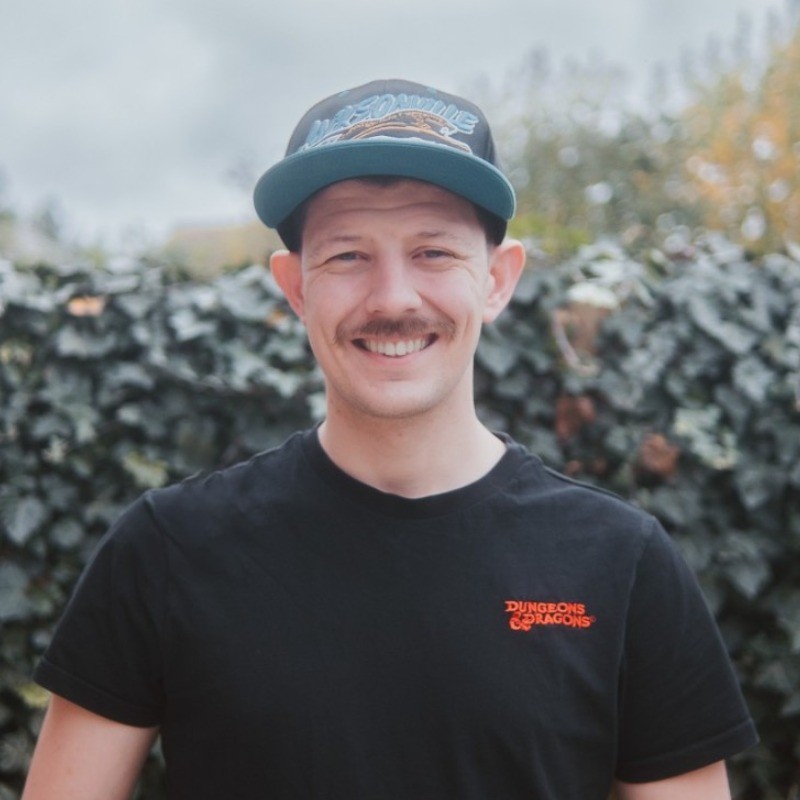
Head of Paid Media at Evoluted
I enjoy helping others learn, grow and achieve. I speak at events like brightonSEO, PPC Live and Sheffield DM because I want to educate and inspire people.
I have worked both in-house and agency side over the last 5 years and I love leading the Paid Media team at Evoluted. My always-available management style means I'm always up to date with ad platform changes, and our account managers are never working alone.
My natural curiosity and desire to help others has led to me creating and sharing spreadsheet templates, custom columns for ad platforms and other tools to translate performance data into financial and business terms that you can share with your stakeholders.